

Life Saving Techniques: Understanding Modern Cardiac Resuscitation Devices
The phrase “cardiac resuscitation device” covers a lot of ground. Patients often lump several very different technologies into one category, which, you know, is pretty understandable. But separating them out actually helps a lot. Understanding what each device does makes conversations about your own care a bit less confusing.
We work with these devices regularly, and a leading electrophysiologist on our team will always take the time to walk you through what fits your situation. Not every device is right for every patient. That matters more than most people realize.
The Defibrillator, In And Out Of The Hospital
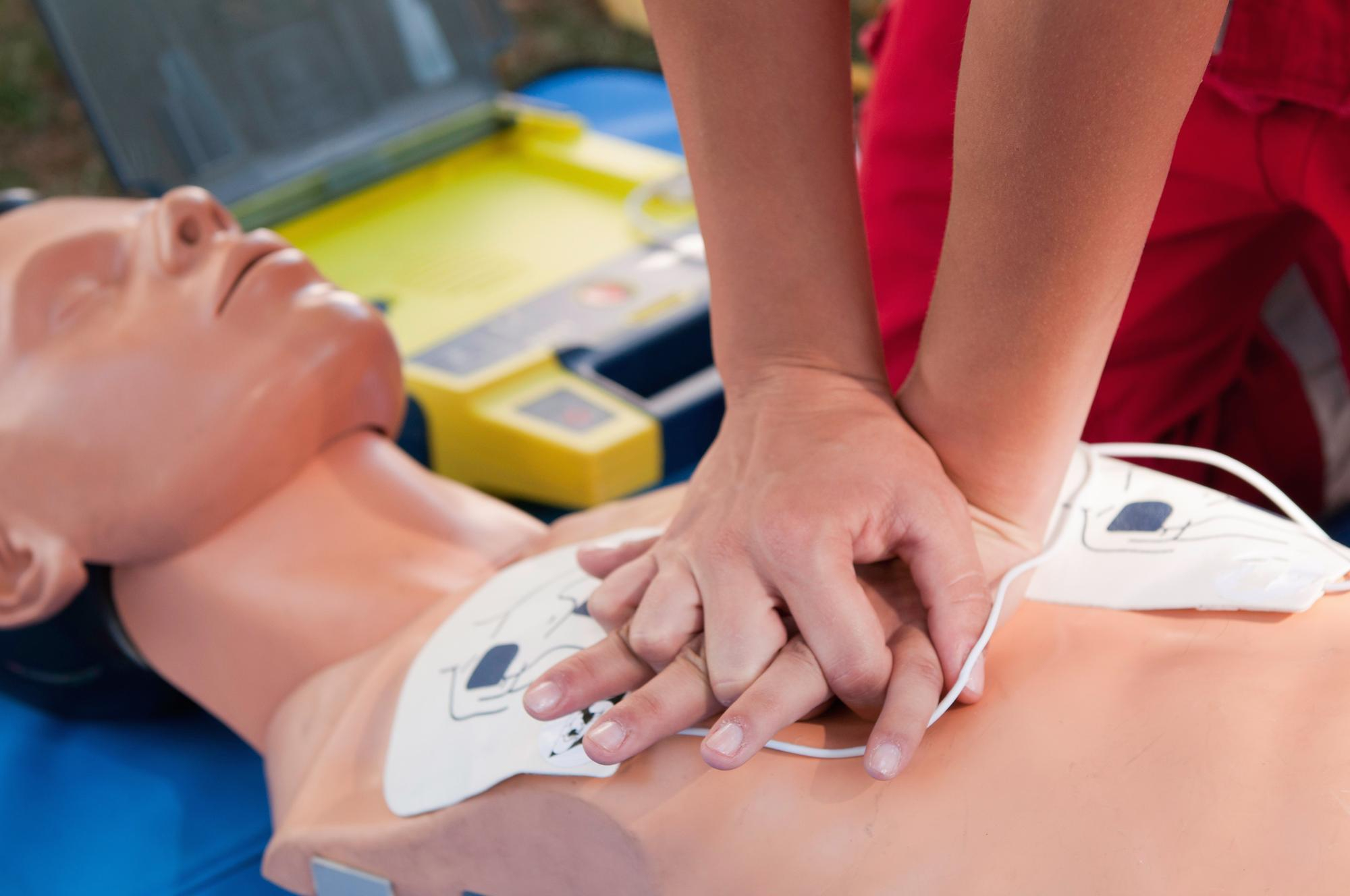
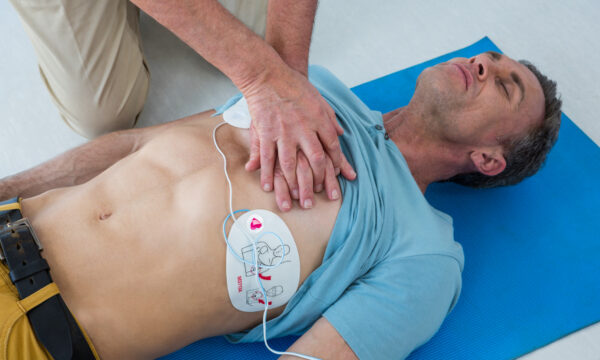
An external defibrillator is the device most people picture, the paddles or pads used during a cardiac arrest to shock the heart back into a normal rhythm. Automated external defibrillators, the ones mounted on walls in airports and gyms, are built so a bystander with no medical training can use them safely in an emergency.
An implantable cardioverter defibrillator works on the same basic principle but lives inside the body permanently. Rather than waiting for someone to respond to a collapse, it monitors the heart continuously and reacts within seconds of detecting a dangerous rhythm.
For patients with a known risk of ventricular tachycardia or a prior cardiac arrest, this shift from reactive to continuous monitoring is a meaningful difference in protection.
Pacemakers And The Rhythms They Correct
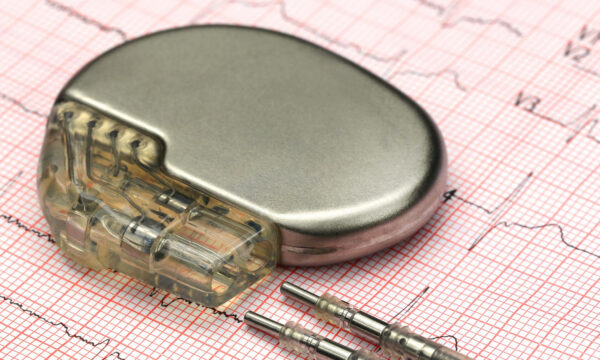
A pacemaker addresses a different problem entirely. Where a defibrillator responds to a rhythm that is too fast, a pacemaker steps in when the heart is beating too slowly, a condition called “bradycardia,” or when the electrical signal between the upper and lower chambers is delayed or blocked.
The device sends small electrical impulses that keep the heart beating at an appropriate rate. Some patients need this support only occasionally, while others depend on it consistently, and we determine which pattern applies to you through monitoring before any device is recommended.
Cardiac Resynchronization Therapy
For patients dealing with heart failure alongside a conduction problem, the two lower chambers of the heart can end up beating out of sync with each other, which makes the heart less efficient at pumping blood. Cardiac resynchronization therapy, often shortened to CRT, uses a specialized device to coordinate those chambers so they contract together again.
CRT devices are sometimes combined with defibrillator function in a single unit, referred to as CRT-D, for patients who need both types of support. We walk through which version applies to your situation based on your heart function and rhythm history rather than assuming one fits all.
The Watchman Device And Stroke Prevention
Not every device in this category is about correcting a rhythm directly. The Watchman device addresses a downstream risk of atrial fibrillation, the tendency for blood to pool and form clots in a small pouch of the heart called the left atrial appendage.
Closing off that pouch lowers the chance that a clot forms and travels to the brain, which is how AFib-related strokes often happen. It is generally considered for patients who cannot tolerate long-term blood-thinning medication, giving them another path to manage stroke risk.
Loop Recorders And Long Term Monitoring
Not every device treats a condition. Some are built purely to observe. An implantable loop recorder sits under the skin and tracks heart rhythm continuously for months at a time, which is valuable for patients whose symptoms, like fainting or brief palpitations, happen too infrequently for a standard monitor to catch.
This kind of long-term data often clarifies a diagnosis that shorter testing could not pin down, and it can guide whether a more active device, like a pacemaker or defibrillator, becomes the right next step.
Choosing The Right Device For Your Situation
None of these devices are interchangeable, and the right choice depends entirely on what your heart is actually doing. A slow heart rate calls for a different solution than a fast one, and a stroke risk driven by AFib calls for a different approach than a conduction delay.
We start with a full evaluation of your rhythm and heart function before recommending any specific device, since the goal is matching the technology to your actual condition rather than starting from the device and working backward. If you are trying to understand which category applies to your own diagnosis, that conversation is one we have with patients regularly.
Related Topics: