

Understanding AFib Ablation Recovery: What Patients Should Know
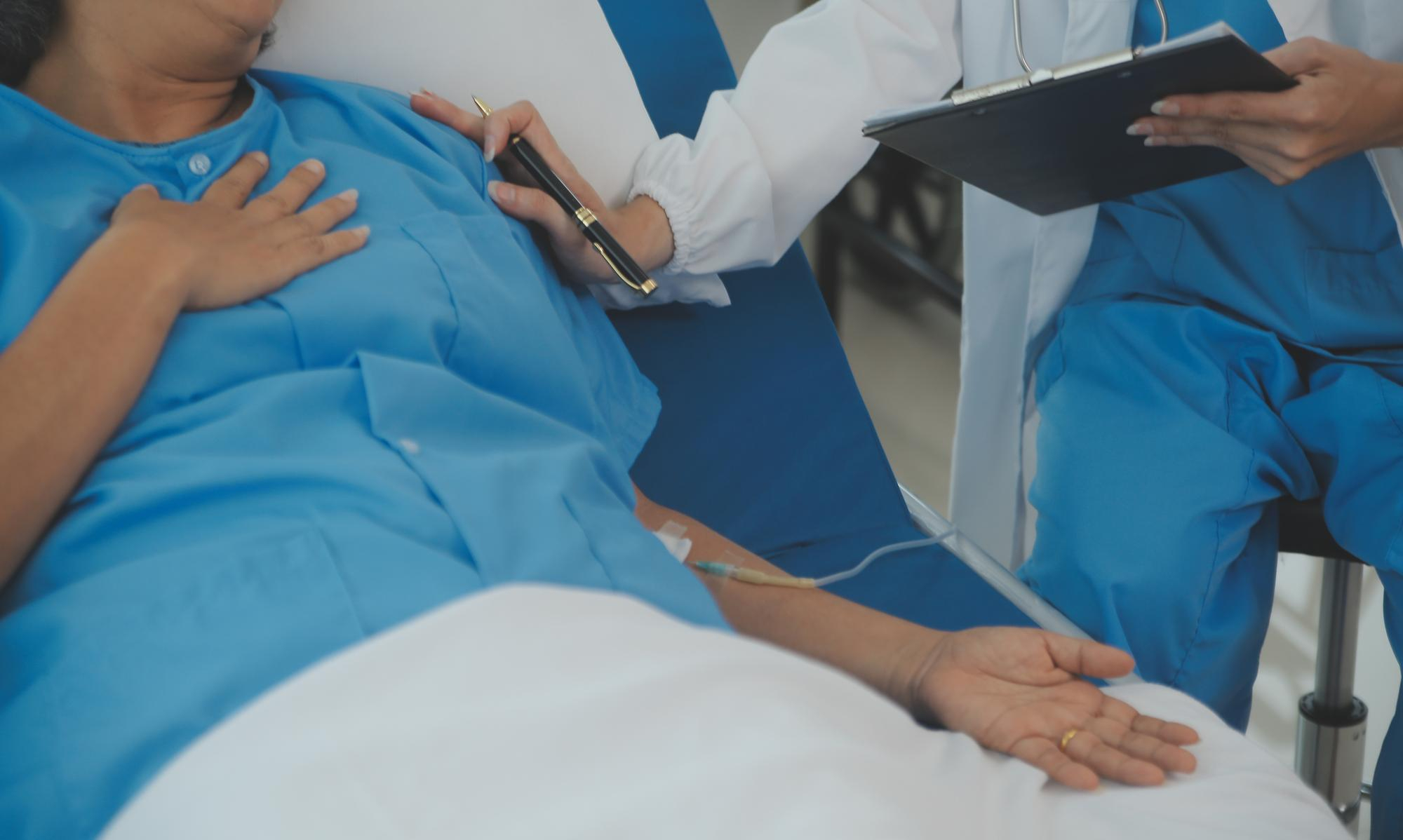
Deciding to move forward with an ablation for atrial fibrillation is a big step. And once that decision is made, the next question is almost always about what recovery actually looks like. Patients tend to picture either a dramatic ordeal or something they can shrug off entirely. The real experience, you know, usually lands somewhere in between.
That is exactly why working with a trusted electrophysiologist matters so much during this process. You want someone who walks you through what to expect before the procedure, not just after. Here is what we go over with patients on both ends of it.
What Catheter Ablation Involves
Catheter ablation for AFib, often done as pulmonary vein isolation, treats the small areas of heart tissue responsible for triggering the irregular signals behind atrial fibrillation. Thin catheters are guided through a vein, usually in the groin, up into the heart, where targeted energy, either heat through radiofrequency or cold through cryoablation, is applied to the tissue causing the problem.
The procedure itself is done with sedation, and most patients do not remember much of the actual time on the table. What comes after is where most of the questions tend to focus.

The First Twenty Four Hours
Immediately after the procedure, patients are monitored for several hours before going home the same day or, in some cases, staying overnight depending on the specifics of the case. Some soreness or bruising at the catheter insertion site, usually in the groin area, is normal in the first day or two.
Mild fatigue is common as well, and this is the body’s normal response to the procedure rather than a sign that anything went wrong. We go over specific activity restrictions for the first few days, particularly around avoiding heavy lifting or strenuous movement while the insertion site heals.
The First Few Weeks
It is common to notice some irregular heartbeats in the weeks immediately following ablation, even in a successful procedure. The heart tissue that was treated needs time to heal and scar over completely, and during that healing window, some rhythm irregularity can still show up.
This is why we do not judge the success of an ablation in the first few weeks alone. Most rhythm specialists, including our own approach, look at a longer window, often several months, before drawing conclusions about how well the procedure worked.

Managing Blood Thinners During Recovery
Many patients undergoing AFib ablation are on blood-thinning medication before the procedure, and that medication typically continues for a period afterward regardless of how the procedure went. This is because the stroke risk tied to AFib does not disappear immediately just because the ablation was performed.
The decision about when, or whether, to eventually stop blood thinners is based on your individual stroke risk, often calculated using a tool called the CHA2DS2 VASc score, rather than on the ablation results alone. This is a conversation we continue well past the initial recovery period.
Getting Back To Normal Activity
Most patients can return to light daily activity within a few days, with a gradual return to more strenuous exercise over the following weeks. Air travel and more demanding physical activity generally need to wait until we have confirmed the insertion site has healed and there are no other concerns specific to your case.
Every patient’s timeline looks a little different depending on overall health and how the body is responding, so we tailor the pace of that return rather than applying one blanket schedule to everyone.
What A Good Long Term Outcome Looks Like
Success after AFib ablation is not always a single dramatic before-and-after. For many patients, it means a significant reduction in episodes, fewer symptoms, and less reliance on medication over time. Some patients, particularly those with a longer history of AFib, may need a second procedure down the line, which is a normal part of managing this condition rather than a sign that anything failed.
Understanding recovery as a gradual process, rather than an instant fix, tends to set patients up with more realistic expectations and less anxiety in those first uncertain weeks after the procedure.
Related Topics: