

When Is the Right Time to Use a Defibrillator
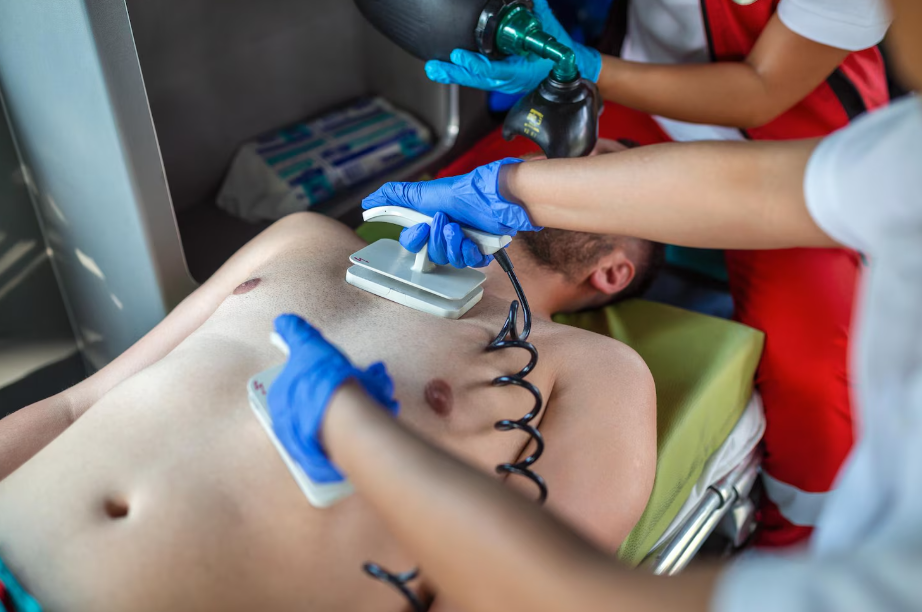
If you ever come across someone collapsing from a sudden cardiac arrest, using a defibrillator quickly can really make a difference. You want to act fast because every minute counts, literally. Make sure the scene is safe first, and then go ahead and check the person’s responsiveness. Talking to a defibrillator expert beforehand can give you a little confidence, so you’re not frozen when it actually happens.
Sometimes cardiac arrest is obvious; sometimes it’s not. You might notice they’re not breathing normally, or they slump suddenly. Checking for a pulse is key, but don’t stress if it’s hard to feel. Even a little hesitation matters less than starting CPR or getting the AED ready.
Early Recognition of Cardiac Arrest
Spotting cardiac arrest quickly is the very first step. You want to notice unresponsiveness, weird breathing, or no pulse. Those are the warning signs that you need to act fast.
It can be subtle, too. Sometimes the person isn’t falling over dramatically; they might look a little off. That’s why paying attention is so important. Using an AED in public can help because it talks you through what to do.
Immediate Defibrillator Deployment
Once you know it’s cardiac arrest, the AED should be deployed immediately. Don’t wait around, even for a moment. The heart needs a shock as soon as possible to try to reset the rhythm.
Make sure nobody is touching the person when the device says it’s ready. Follow the instructions, step by step. Quick action can help prevent brain damage and improve recovery. Timing is everything here.
Timing of Defibrillator Use
Shockable rhythms, like ventricular fibrillation, need a fast response. The longer you wait, the lower the chance of survival, like 7 to 10 percent less per minute. Getting the pads on and ready in the first couple of minutes is ideal.
AEDs are made to be simple, even if you’ve never used one. They’ll talk you through what to do, and you don’t need to memorize everything. Acting fast and sticking to the prompts really does save lives.
Proper Placement of Electrodes
The pads have to go in the right spots for the shock to work. One goes under the right collarbone, the other under the left armpit. Make sure they stick to the skin properly, not just loosely.
Avoid putting them over anything that could block the current, like jewelry or thick clothing. A quick double-check can make the difference. It’s better to take a few extra seconds here than risk the shock being less effective.
Administering the Shock Correctly
Before pressing the button, make sure everyone is clear. The AED will tell you when it’s okay. It sends a pulse to try to get the heart back on track.
Follow the device prompts carefully. Don’t worry if it feels intimidating. Just stay calm and trust it. The instructions are there to guide you through each step.
Monitoring Response and Continuing Care
After the shock, keep checking the person. Are they breathing? Is there a pulse? Be ready to start CPR again if needed.
Talk to them if they wake up, and keep them calm. Having someone else call emergency services or stay nearby is helpful. Staying with the person, watching carefully, and acting as needed can really change the outcome. Your presence alone can make a difference.
Related Topics: