

Devices to Avoid With an Implantable Defibrillator
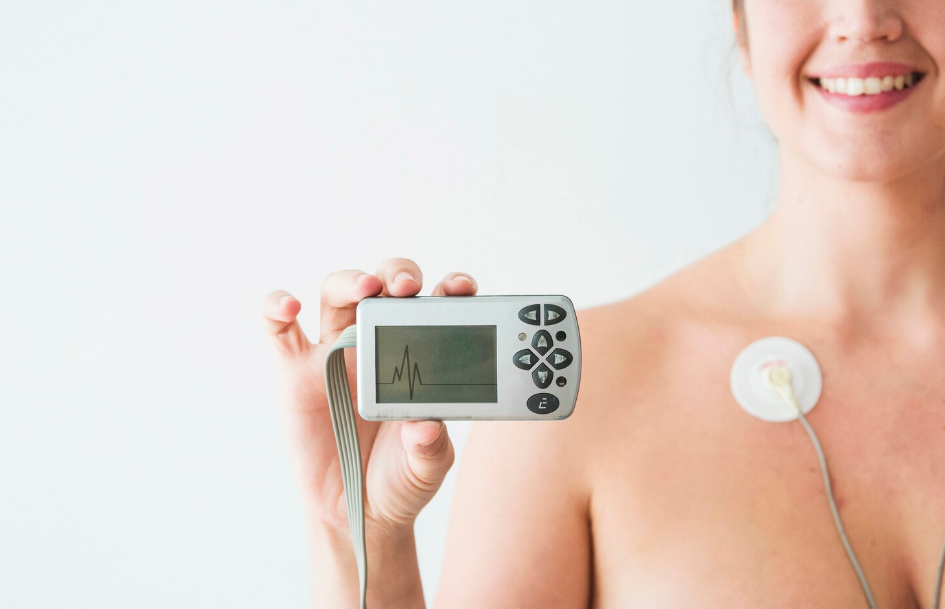
Living with an implantable defibrillator means paying attention to stuff that might seem harmless but isn’t always. A lot of household appliances, like microwaves or power tools with magnets, can actually mess with the device if you get too close. Phones, smartwatches, and even some tablets need to stay at a distance of about 6 inches. A trusted electrophysiologist in Los Angeles can explain what’s safe and what you should be careful about. It’s worth asking because every case is a bit different.
Household Appliances
Some everyday appliances can be trickier than you think. Microwaves, for instance, send out signals that can throw off the defibrillator if you’re right near it. Power tools, especially ones with strong magnets, can cause similar problems. Talking with your doctor helps figure out which appliances you need to keep your distance from.
Even simple things like magnets in speakers or other household devices might interfere in small ways. A lot of people don’t realize that something as familiar as a kitchen gadget could have an effect. Checking ahead and taking precautions makes a big difference.
Electronic Gadgets
Phones, tablets, and smartwatches send out little pulses of electricity. If they’re too close to your chest, they might temporarily mess with the defibrillator. Some headphones or handheld consoles have magnets that are stronger than you think. It’s easy to forget that these small electronics could matter.
Most of the time, just keeping a little distance solves the problem. Pocket placement, how you hold the device, and even which side of your chest you keep it on can all play a role. Your healthcare provider can give the best advice for your situation.
Medical Equipment
Specific medical machines are worth mentioning because they can interfere with a defibrillator. MRI machines, radiation devices, lithotripsy tools, and some diathermy machines all send signals that might throw off the device. Before any procedure, it’s essential to tell the staff you have a defibrillator. That way, they can take precautions so nothing goes wrong.
Even routine tests could cause unexpected issues if the device isn’t accounted for. Your doctor or nurse can adjust procedures or keep an extra eye on things to make sure everything stays safe. Most people don’t realize how much small signals from machines can affect their devices.
Security Systems
Security systems are another thing that can mess with defibrillators sometimes. Systems that use electromagnetic fields or radio signals might affect the device if you’re too close. That could lead to shocks at the wrong time or the device not working when you need it. Keeping a safe distance and checking with your healthcare provider is usually enough to prevent trouble.
Even alarms, electronic gates, or office entry systems could have minor effects. Knowing the strength of the system and how close you can safely get helps. Professionals can guide you on what’s okay and what’s better to avoid.
High-Powered Tools
Tools that make strong electromagnetic fields can cause interference. Welding equipment, power drills, or electric saws are the main ones to watch. Even standing nearby while someone else uses them can be risky sometimes. It helps to know ahead of time and take precautions.
A small motor or electric mechanism can sometimes have more effect than you’d expect. Being careful and asking your healthcare provider about specific tools makes sure you’re safe. You don’t have to stop using these tools; just be aware and smart about them.
Recreational Devices
Electric scooters, bicycles, and other devices with motors can also affect a defibrillator. The electromagnetic fields from these motors can throw the device off if you’re too close. The evidence isn’t totally clear for every single device, but it’s better to be cautious. Your healthcare provider can give guidance so you know what’s safe.
Even casual use matters if the device is near your chest. Planning ahead and being mindful can help you avoid problems. Most of the time, just a little awareness is enough to keep the defibrillator working as it should.
Related Topics: