

How Leadless Pacemaker Technology Supports the Heart
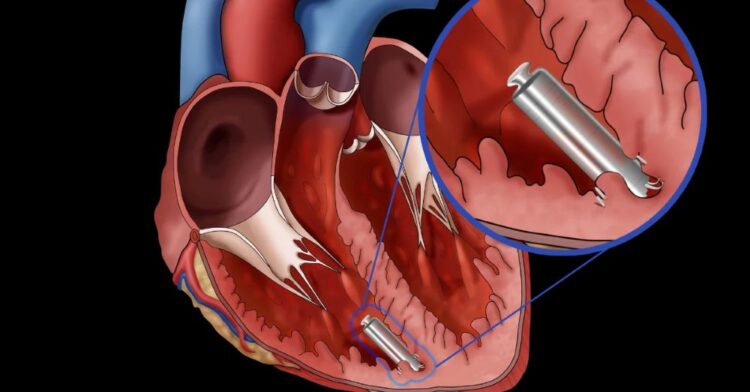
Heart rhythm problems affect millions of people worldwide, and pacemaker technology has changed dramatically over the past few years. The modern leadless pacemaker represents a major shift in how doctors treat irregular heartbeats. Unlike older pacemakers that use wires to connect to the heart, these new devices work without any leads. This advancement reduces complications and makes the procedure safer for patients. This guide explains how leadless pacemakers function and why they’re becoming the preferred choice for cardiac rhythm management.
Evolution of Pacemaker Technology
Pacemakers have come a long way since their early days. The first versions were large external devices that used wires attached directly to the heart. These early models were bulky and limited in what they could do. In the 1960s, doctors began implanting smaller pacemakers, a game-changer for cardiac care. These implanted devices, connected to the heart via leads, improved patients’ quality of life. Over time, improvements in battery life, programming features, and overall design made pacemakers more personalized and effective. Today’s pacemakers can manage various heart rhythm disorders with greater precision and reliability than ever before.
Benefits of Leadless Pacemakers
Leadless pacemakers offer several advantages over traditional models. They significantly reduce the risk of complications, such as lead dislodgement or infections, that can occur with wire-based systems. Patients appreciate that there’s no visible chest scar since the procedure is less invasive. The compact size allows doctors to implant them through a smaller incision, reducing bleeding and discomfort. These devices also have longer battery life than traditional pacemakers, meaning fewer replacement surgeries. All these benefits add up to better outcomes and improved quality of life for patients who need pacemaker therapy.
Implantation Procedure and Recovery
The implantation process for leadless pacemakers is straightforward and precise. Doctors typically make a small incision in the groin area to access the major vein leading to the heart. Using fluoroscopy and other imaging techniques, they guide the pacemaker to the correct position inside the heart. Once the device is in place, its tiny electrodes attach to the heart tissue and begin delivering electrical impulses to regulate the heartbeat. Most patients recover quickly and can return to normal activities within a few days. The minimally invasive nature of the procedure makes recovery easier compared to traditional pacemaker surgery.
Comparison With Traditional Pacemakers
The main difference between leadless and traditional pacemakers is the absence of connecting wires. Traditional pacemakers use leads that run through a vein from the device into the heart chambers. Leadless pacemakers are self-contained units implanted directly into the heart muscle. This design eliminates problems such as lead fractures, dislodgement, or infections that can occur with wire-based systems. Leadless pacemakers also lower the risk of vein blockage and typically provide a more stable connection to the heart. While traditional pacemakers have proven effective for decades, leadless pacemakers represent a significant step forward in safety and convenience.
Long-Term Monitoring and Follow-Up
Patients with leadless pacemakers benefit from regular remote device monitoring. The pacemaker automatically transmits performance data to healthcare providers. This information includes battery status, pacing thresholds, and heart rhythm patterns over time. Doctors can review this data to catch any potential issues early and adjust treatment as needed. Regular in-person appointments complement remote monitoring, allowing doctors to evaluate the patient’s overall health alongside the pacemaker’s performance. This combination of remote and in-person care ensures patients receive the best possible cardiac rhythm management.
Future Trends in Cardiac Pacing
The future of cardiac pacing looks promising with several exciting developments on the horizon. Researchers are working on even more advanced leadless pacemakers that can adapt to each patient’s unique needs. Artificial intelligence algorithms may soon optimize pacing settings automatically based on individual patient data. Wireless monitoring systems will continue to improve, enabling real-time data collection and faster intervention when problems arise. These advances point toward more efficient, precise, and patient-centered cardiac care that can improve outcomes for people with heart rhythm disorders.
Related Topics: