

What Is a Leadless Pacemaker?
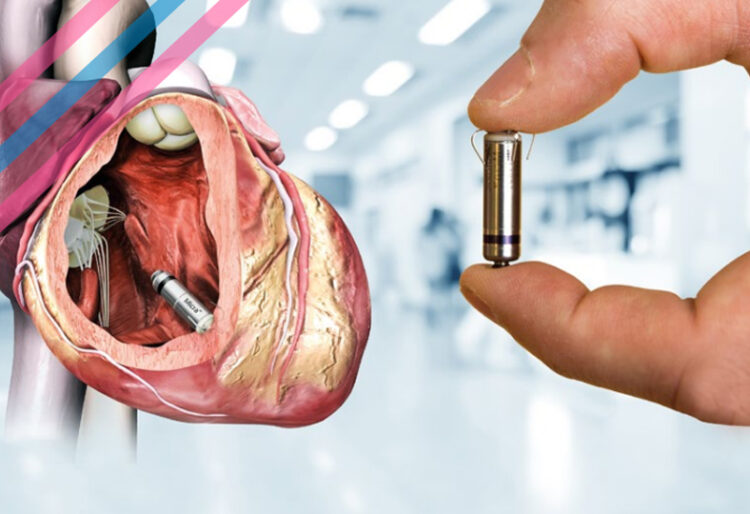
A leadless pacemaker is a cardiac pacing device implanted in the right ventricle that delivers electrical impulses to help regulate the heart rhythm. The system functions as a compact, self-contained unit placed directly within cardiac tissue, eliminating the need for transvenous leads that typically connect a pacemaker to the heart. By skipping lead wires entirely, this type of pacemaker reduces complications associated with lead placement and long-term lead management. Published clinical studies have shown that leadless pacemakers achieve high implantation success rates with fewer lead-related complications than traditional systems. If you’re exploring this technology, finding a leadless pacemaker expert in LA who specializes in minimally invasive cardiac procedures can significantly improve outcomes and recovery time.
Overview of Leadless Pacemakers
A leadless pacemaker operates as a miniaturized device placed entirely within the heart, delivering electrical impulses without external wires. Its small size allows cardiologists to implant it via a catheter-based procedure, reducing surgical exposure and eliminating the need for a chest pocket. Since the device sits completely inside the heart, patients avoid concerns about visible hardware or lead-related complications. Clinical publications from electrophysiology centers report reduced infection rates and faster post-procedure comfort when compared with traditional pacemaker systems.
How Leadless Pacemakers Work
A leadless pacemaker is inserted through a minimally invasive approach using a delivery catheter advanced into the right ventricle. Once positioned, the device attaches to the heart wall and provides pacing therapy through built-in electrodes. The system senses the heart’s intrinsic electrical signals and delivers pacing impulses when needed to maintain an appropriate rhythm. Because the pacing mechanism and sensing elements are integrated into a single capsule, the design eliminates risks associated with lead placement, such as venous obstruction, lead displacement, or long-term lead damage. Continuous cardiac monitoring allows the device to adjust pacing support based on a patient’s ongoing rhythm needs.
Benefits of Leadless Pacemakers
Leadless pacemakers provide several advantages for patients who are candidates for single-chamber pacing. The absence of transvenous leads removes the possibility of lead fracture, lead infection, or vein narrowing. Since there is no surgical pocket, patients benefit from a smaller incision site and reduced chances of pocket-related complications. Many cardiac centers report shorter procedural times, quicker mobility after implantation, and lower rates of early complications when compared with traditional pacemakers. For individuals looking for a pacing option with minimal hardware visibility, the leadless design is also a practical alternative.
Comparison With Traditional Pacemakers
When comparing leadless pacemakers with traditional systems, the most notable distinction is the method of placement. Traditional pacemakers require a chest incision and leads passed through veins into the heart. Leadless pacemakers, by contrast, reside fully within the right ventricle without external components. This structural difference removes the common issues associated with lead management and placement. However, traditional pacemakers may be more suitable for patients who require multi-chamber pacing or complex rhythm management. A cardiologist evaluates each patient’s cardiac history, pacing requirements, and long-term health considerations before recommending either option.
Considerations for Leadless Pacemaker Patients
Individuals considering a leadless pacemaker should review factors such as device longevity, retrieval, and follow-up. Current leadless pacemakers typically last 10–12 years, depending on usage and pacing needs, which may be shorter than those of some traditional systems. Retrieval can be more complex due to the device’s position within the heart. However, retrieval tools exist, and many centers prefer leaving an inactive device in place and implanting a new one if needed. Ongoing monitoring requires specialized equipment, so patients generally continue follow-up at centers experienced with leadless pacing technology. Many patients consult verified hospital reviews, cardiology practice ratings, or peer-reviewed studies to understand expectations for long-term care.
Future Trends in Leadless Pacemaker Technology
Upcoming advancements in leadless pacemakers are focused on improving device longevity, enhancing retrieval techniques, and expanding clinical applications.
- Extended Device Longevity: Research is underway to improve battery efficiency and explore newer power technologies that may increase the lifespan of future devices.
- Advances in Retrieval Tools: Engineering improvements aim to make extraction safer and more precise for patients who eventually require device replacement.
- Refined Monitoring Capabilities: Remote monitoring technologies continue to evolve, giving clinicians more detailed insights into pacing performance and rhythm trends between in-clinic visits.
Contact Us
At CEPI, we’re always here to assist you. Whether you have questions about our services, need to schedule an appointment, or would like to learn more about cardiac electrophysiology, our team is here to help.
📍 Office Location: 8631 W 3rd St # 710E, Los Angeles, CA 90048
📞 Phone: (310) 746-5335
🕒 Office Hours:
Monday – Friday: 8:00 a.m. – 5:00 p.m.
💬 Get in touch today! Prefer to reach out online? Fill out our contact form, and a member of our team will get back to you promptly.
Related Topics: