

How Is a Leadless Pacemaker Implanted
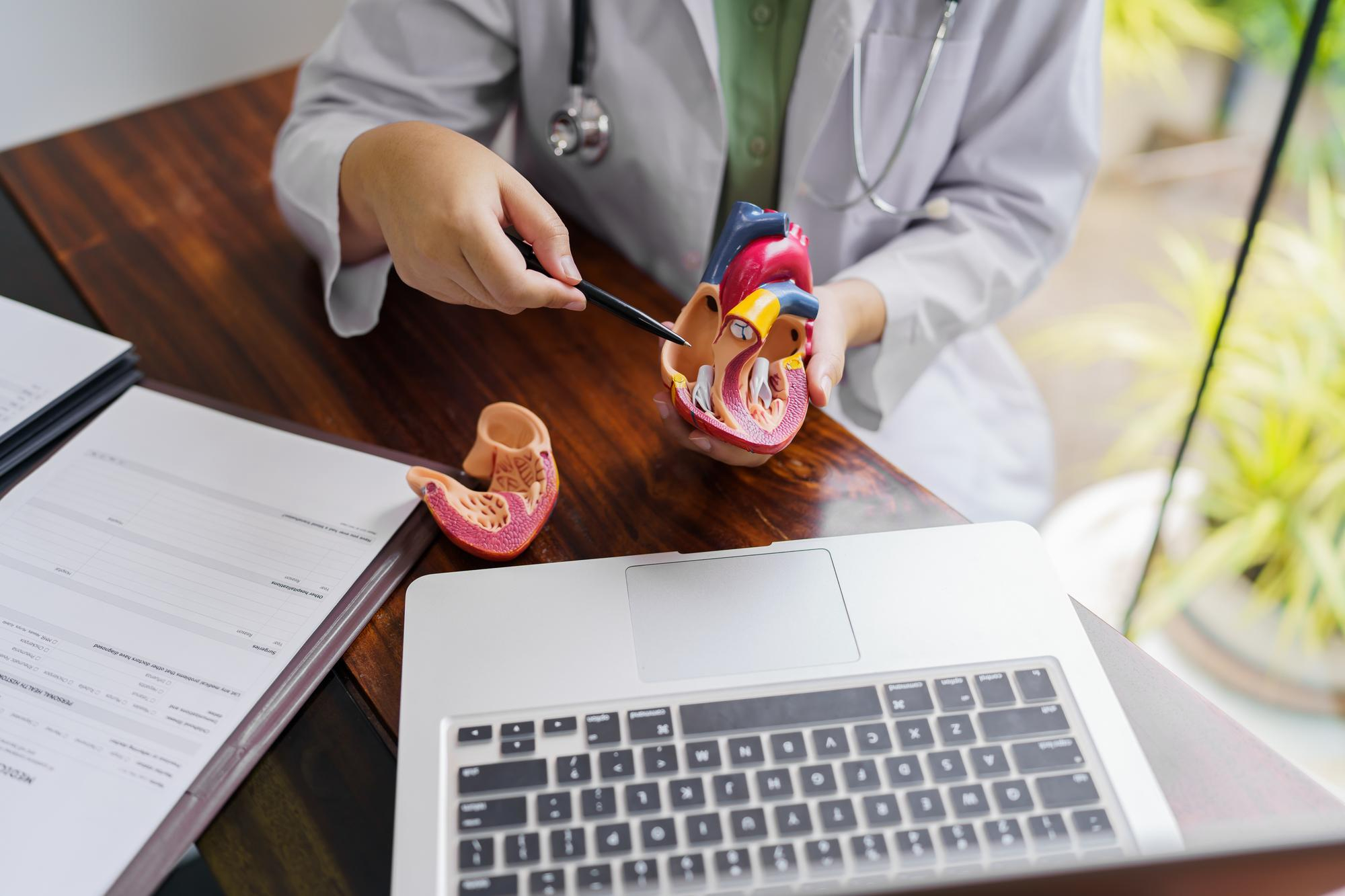
Hearing that you might need a pacemaker brings up plenty of questions, and one of the first is usually about the procedure itself. A leadless pacemaker is implanted differently than a traditional one. Understanding the steps ahead of time tends to ease a lot of the uncertainty.
Working with an experienced electrophysiologist makes a real difference here. They walk you through what to expect, and honestly, just knowing you have someone who has done this many times before is kind of reassuring on its own.
None of this replaces a conversation with the specialist managing your specific case, since every patient’s anatomy and rhythm condition is a bit different. What follows is meant to give a general sense of the process so that conversation feels less like starting from zero.
How Patients Typically Prepare For The Procedure
Before the procedure, patients usually go through an evaluation that includes a review of their heart rhythm, imaging of the heart, and standard bloodwork. The care team also reviews current medications, since some blood thinners need to be adjusted or paused for a set period before the implant.
Patients are typically asked to avoid eating or drinking for several hours beforehand, since the procedure is done under sedation or light anesthesia.
Most centers walk patients through exactly what to expect on the day itself, including when to arrive and how long to plan for. Patients often ask how long pacemaker surgery takes during this pre-procedure conversation, and the answer varies by case, though most implants are completed within an hour.
It also helps to arrange a ride home in advance, since sedation means patients cannot drive themselves afterward. Bringing a current list of medications and any recent test results tends to make the pre-procedure conversation go more smoothly.
How The Device Is Guided Into Place
The leadless pacemaker is inserted through a small puncture, most often in a vein near the groin, rather than through an incision near the collarbone. A thin, flexible tube called a catheter guides the device through the venous system and into the right side of the heart, using live imaging so the care team can track its exact position throughout.
Once the catheter reaches the right ventricle, the lower heart chamber where the device is typically placed, the physician positions the pacemaker against the heart wall before releasing it from the catheter.
This entire step is done with continuous imaging. No chest is opened at any point.
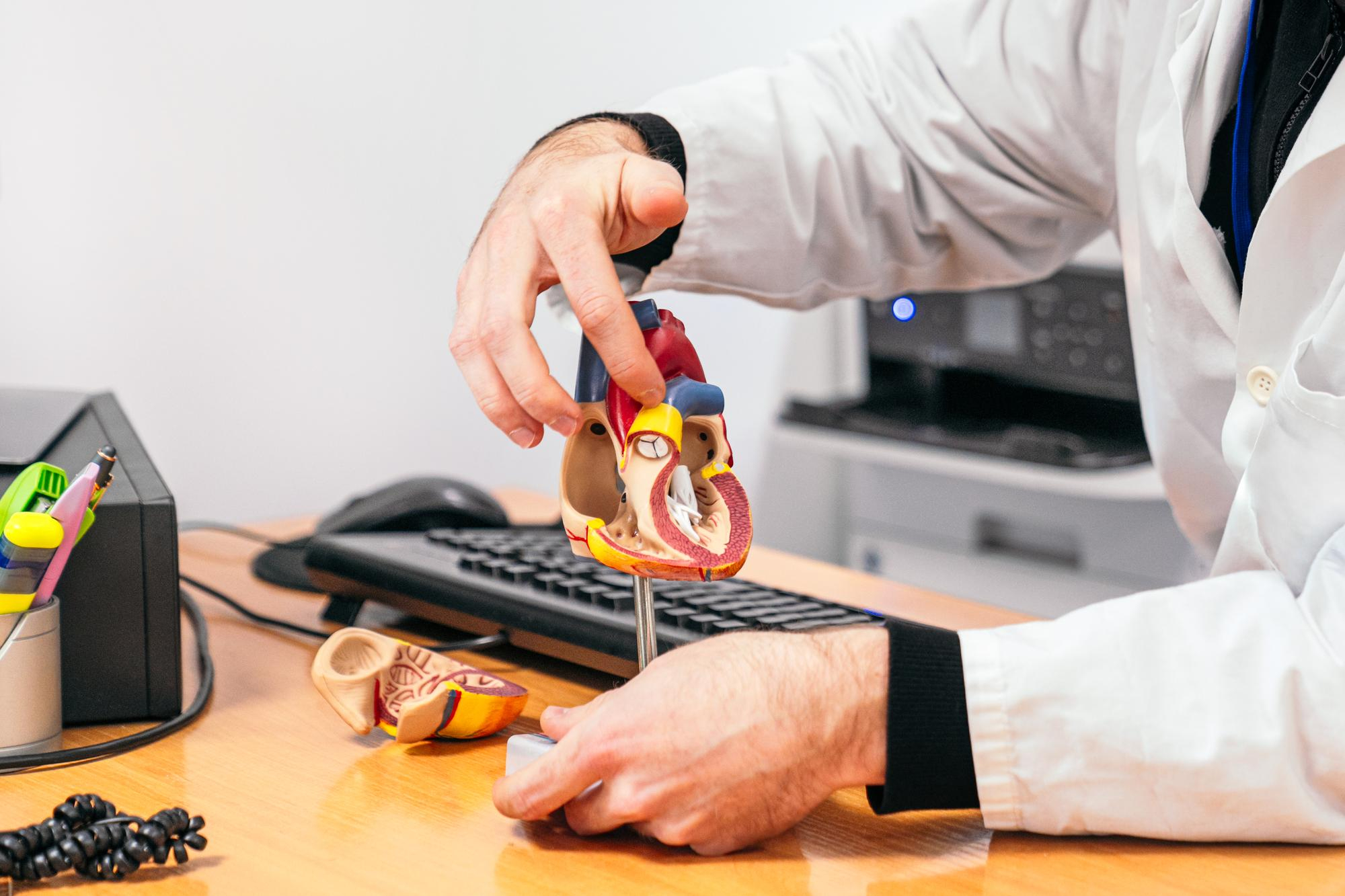
How The Device Is Secured Inside The Heart
A leadless pacemaker has small tines, similar in concept to tiny hooks, that anchor it into the heart tissue once it is in the correct position. The physician checks that the device is properly attached by testing its electrical readings before fully releasing it from the delivery catheter.
If the initial position is not ideal, the device can typically be retrieved and repositioned before it is permanently released, since it remains attached to the catheter until placement is confirmed.
Once the readings look right and the device is secure, the delivery catheter is withdrawn, leaving only the small pacemaker in place inside the heart. That last check matters more than any other step in the whole procedure.
What Recovery Typically Looks Like
Immediately after the procedure, patients are monitored for a period of time to check the puncture site and confirm the device is working as expected. Because the pacemaker is inserted through a vein rather than through an incision at the chest, many patients go home the same day or the following day, though the specific recovery plan depends on the individual.
Doctors usually advise avoiding strenuous activity for a short period afterward, particularly anything that puts strain on the area where the catheter was inserted. Most people return to normal daily activities within a matter of days. The exact timeline should still come from the physician managing the specific case, since recovery speed varies from patient to patient.
How The Procedure Differs From A Traditional Pacemaker Implant
Both procedures are designed to regulate heart rhythm, but the way they are performed and how the body recovers from each one are quite different. Here is a breakdown of what sets them apart.
Traditional Pacemaker Implant
- Requires an incision near the collarbone to create a small pocket under the skin where the device is placed
- Involves threading leads through a vein into the heart
- Leaves a visible incision site that needs time to heal
Leadless Pacemaker Implant
- The entire device travels through a vein near the groin and sits directly inside the heart chamber
- No chest incision is made at any point
- No leads are used, eliminating the risk of lead-related complications later
A traditional implant requires healing from a chest incision as well as monitoring for any lead-related issues over time. A leadless implant generally means a shorter, simpler recovery, with no chest wound to manage and no leads that could shift or cause problems down the line.
What To Expect At Follow-Up
After the procedure, patients return for a check to confirm the device is functioning correctly and that the readings look stable. These checks are done using an external device that reads the pacemaker’s information without needing to reopen anything, since there is no incision at the chest to monitor.
Ongoing follow-up typically happens on a regular schedule to track the device’s battery life and its pacing function over time.
Some centers also offer remote monitoring, which lets certain readings be sent in between in-person visits. That does not replace scheduled follow-up appointments, but it can give the care team an earlier look if something about the device’s readings changes. Patients are usually told what symptoms, if any, would call for an earlier visit.
Every patient’s path through this procedure looks a little different depending on their heart condition and overall health. Anyone considering this option should walk through their specific case with a heart rhythm specialist who can explain what applies to their situation.
Related Topics: