

Electrophysiology and Heart Failure Treatment in Los Angeles

Heart failure and heart rhythm problems often show up together, and patients are not always told how closely the two are connected. When someone is diagnosed with heart failure, the conversation usually centers on the heart’s pumping strength.
But the heart’s electrical timing plays a real role in how well that pump works. It’s the part that often gets left out of the initial discussion.
We treat patients across Los Angeles whose heart failure has a rhythm or conduction component. Working with a local electrophysiologist in Los Angeles means you get someone who looks at both sides of the picture, not just the pumping function but how the heart’s electrical signals are coordinating that function.
This piece explains how that connection works, what an evaluation involves, and where treatment options like cardiac resynchronization therapy fit into the picture.
How Heart Failure and the Heart’s Rhythm Are Connected
The heart is not pumping blood as efficiently as the body needs when heart failure develops. This can happen for several reasons, including:
- Damage from a prior heart attack
- Long-term high blood pressure
- A conduction abnormality, meaning the electrical signal that should travel evenly through the heart’s chambers is delayed or out of sync in one part of the heart
When one side contracts a fraction of a second later than the other, the pump becomes less efficient even if the muscle itself is otherwise capable. This timing problem tends to get worse over time rather than staying still.
That is why an electrophysiologist, a cardiologist with subspecialty training in the heart’s electrical system, is often part of the care team for these patients.
How Electrophysiologists Fit Into Heart Failure Care
A general cardiologist typically manages the medical side of heart failure, including medications that reduce strain on the heart and manage fluid buildup. An electrophysiologist steps in when the underlying problem includes a rhythm or timing issue that medication alone cannot fully address, working alongside the cardiologist rather than replacing that relationship.
In most cases, this is a team approach. The cardiologist manages overall heart function, while the electrophysiologist focuses specifically on the heart’s electrical timing and any arrhythmias present. Patients are often referred between the two, though they can also see a rhythm specialist directly without waiting for that referral.
Evaluating A Heart Failure Patient’s Rhythm
An evaluation usually starts with a review of prior test results, including:
- Echocardiogram – shows how well the heart is pumping
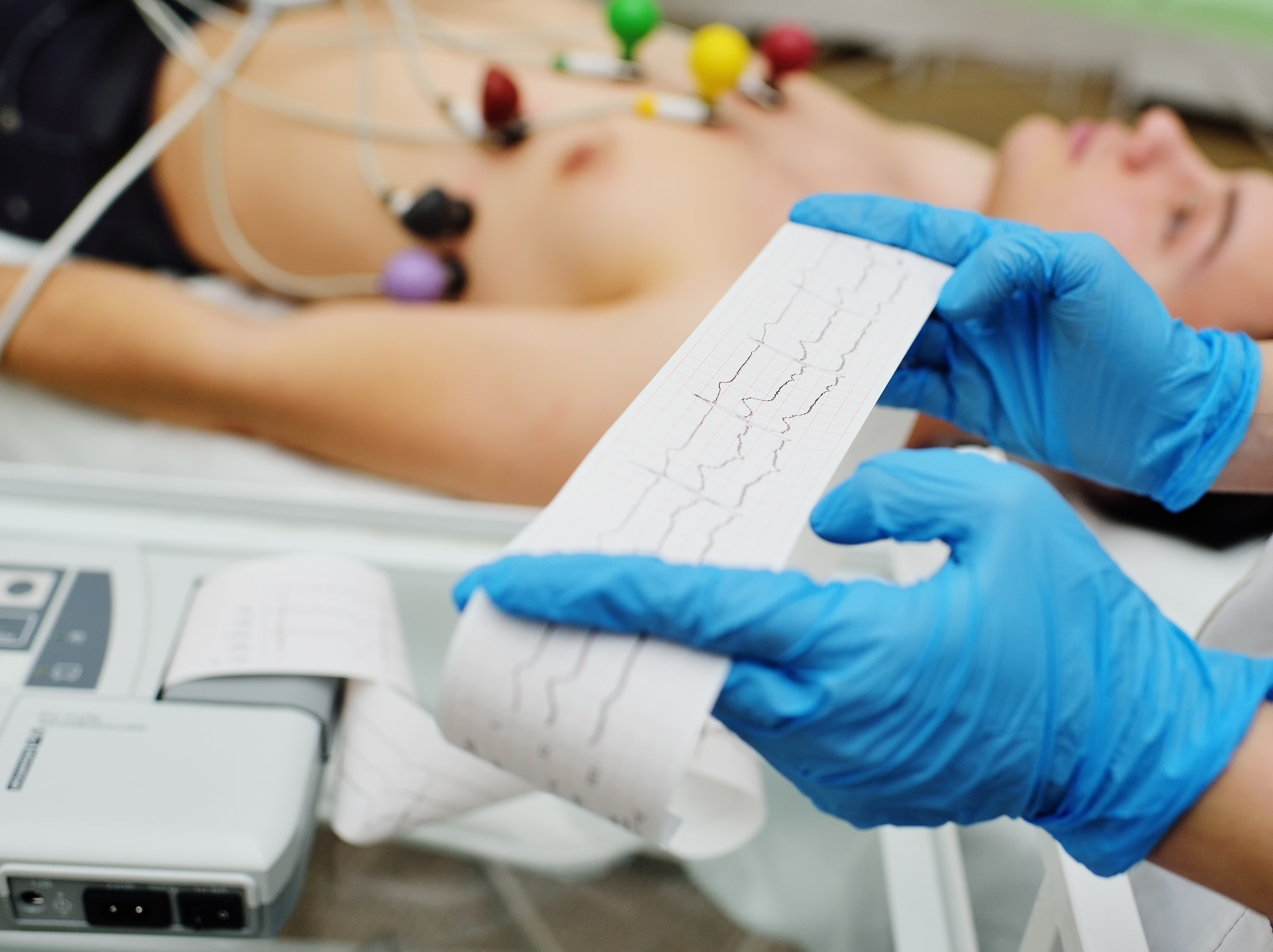
- Electrocardiogram (ECG) – records the heart’s electrical activity
These two pieces of information together show whether a timing problem is contributing to a patient’s symptoms. Some cases call for additional monitoring to capture rhythm events that do not show up during a single office visit, since certain conduction problems come and go rather than staying constant.
The goal is straightforward: to determine whether correcting the heart’s timing could meaningfully improve how it pumps, rather than assuming every heart failure patient needs the same treatment.
Treatment Options For Heart Failure With A Rhythm Component
Cardiac resynchronization therapy (CRT) is one of the main treatments used when heart failure includes a timing problem between the heart’s chambers. A CRT device sends coordinated electrical signals to both sides of the heart, helping them contract together rather than out of sync, which can improve the heart’s pumping efficiency for the right patient.
Some patients also need an implantable cardioverter-defibrillator (ICD), a device that monitors the heart and delivers a shock if a dangerous fast rhythm develops, since certain types of heart failure raise the risk of these rhythms.
A combined device, sometimes called a CRT-D, can provide both functions in patients who need coordinated pacing and defibrillator protection together.
What Ongoing Management Looks Like
Ongoing management is part of the plan from the start, not something added later if things go wrong. Devices like CRT and ICD systems are checked on a regular schedule to confirm they are working correctly and to review the rhythm data collected since the last visit.
Medication management continues alongside any device therapy, since both pieces typically work together rather than replacing one another. Patients often notice improvement in symptoms like fatigue and breathlessness once the timing problem is corrected, though the degree of improvement varies from person to person based on their specific condition.
Why A Subspecialty Focus Matters For Complex Cases
Patients with a rhythm component to their heart failure often have more than one issue happening at once, which makes a subspecialty focus genuinely useful rather than a matter of preference. When a patient sees an electrophysiologist for this kind of care, the following all happen within the same field of medicine:
- Diagnosis
- Device selection
- Implantation
- Long-term follow-up
Staying current with innovations in heart rhythm treatments helps that focused care keep pace with patients whose cases do not fit a standard pattern.
At Cardiac Electrophysiology Institute, every patient we see has some form of rhythm or conduction condition. Patients with a timing component to their heart failure are not a side interest to us. They are a core part of our daily work, and that focus matters most when the two conditions are closely intertwined.
Good heart failure care works best as a partnership. A cardiologist manages the heart’s overall function while a rhythm specialist addresses its electrical timing. If a conduction problem is part of your diagnosis, it is important to have that conversation with an electrophysiologist as soon as possible.
Related Topics: