

How an Implantable Loop Recorder Watches Your Heart, Day and Night
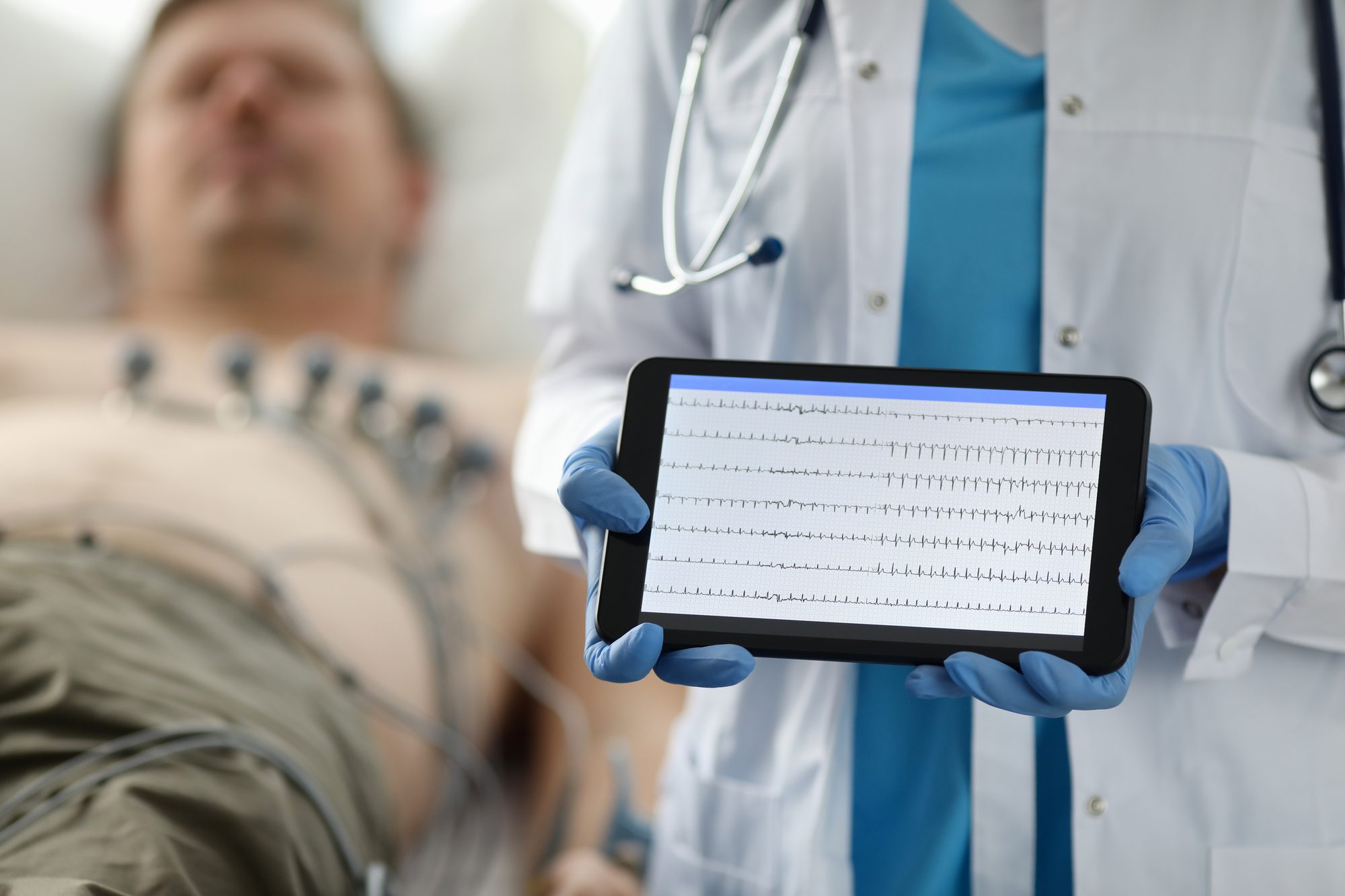
An implantable loop recorder does one job, and it does it without pause: it watches your heart’s electrical activity for months or years, waiting for the moment your rhythm does something worth flagging. At the Cardiac Electrophysiology Institute (CEPI) in Los Angeles, an experienced electrophysiology care provider turns that continuous record into a confirmed diagnosis instead of a lingering question mark.
Inside the Device: How Continuous Heart Monitoring Works
At its core, a loop recorder holds small electrodes that pick up the same electrical signals an ECG captures during a single office visit. The difference is duration: instead of a few seconds in an exam room, the device reads those signals around the clock.
It stores this information in a rolling record. The device is always capturing data, but it only keeps the sections that matter. When your rhythm crosses a threshold it’s programmed to notice, or when you flag a symptom yourself with a handheld activator, that portion gets saved for review instead of being overwritten a few minutes later.
That selectivity is also what lets the device run for years on one small battery. Rather than storing every second of every day, it holds onto only the moments likely to matter for your diagnosis, which is what makes multi-year monitoring possible from something roughly the size of a USB drive. Understanding how a loop recorder works this way, selectively rather than continuously storing everything, is what makes sense of why the device can last years instead of days.
Loop Recorders vs. Holter and Event Monitors
A Holter monitor typically runs for one to two days, occasionally extended to a couple of weeks. An event monitor stretches further but usually depends on you noticing a symptom and pressing a button at the right moment. Both work well for symptoms that show up often or predictably. Neither does much for something that happens once a month, or once every few months.
| Monitor Type | Typical Duration | Best For |
|---|---|---|
| Holter monitor | 24–48 hours (extended versions up to 2 weeks) | Frequent, near-daily symptoms |
| Event monitor | 2–4 weeks | Symptoms that occur at least weekly |
| Implantable loop recorder | Roughly 1–3 years, some newer models longer | Rare or unpredictable symptoms, unexplained stroke workups |
A loop recorder does not depend on timing. Because it can stay active for years rather than days, it does not matter whether the next episode happens next week or six months from now. It is already there, already recording, whenever it happens.

What Gets Captured, and When You Should Consider One
When your heart rhythm moves outside a normal range, whether that’s racing, slowing, pausing, or beating irregularly, the device automatically records the segment along with a short window before and after it. That gives your physician context, not just an isolated data point.
You can also mark the timeline yourself with a small handheld activator any time you notice a symptom, even if the automatic detection doesn’t flag anything on its own. That matters for symptoms like lightheadedness, which doesn’t always coincide with a rhythm abnormality severe enough to trigger the device automatically.
An electrophysiologist typically considers an implantable loop recorder when:
- Unexplained fainting or near-fainting episodes have no clear cause after initial testing
- Palpitations or skipped beats occur too infrequently for a Holter or event monitor to catch them
- A stroke of unknown cause warrants a longer search for silent atrial fibrillation
- A slow heart rate needs to be documented before deciding on a pacemaker
- A recent ablation or device implant needs longer-term follow-up to confirm the result is holding
Not sure whether your situation matches any of these? A complete guide to loop recorders covers the decision in more depth, but the short version is that timing and unpredictability are usually the deciding factors.
Noticed unexplained fainting spells or palpitations that come and go without warning? Give our Beverly Hills office a call at (310) 746-5335, and Dr. Noori or Dr. Simsolo can talk through whether long-term rhythm monitoring is right for you.
How CEPI Reviews Your Data, and What Happens Next
Recorded events are transmitted for review, either at a scheduled visit or remotely between appointments. From there, we compare each flagged event against your reported symptoms from around the same time, checking what the device saw against what you actually felt.
Not every flagged event turns out to be significant. Part of the review is separating a genuine arrhythmia from a harmless, normal variation in rhythm, which is why this kind of data deserves a careful read rather than a snap judgment on a single reading.
Once an event is captured and reviewed, the next step depends on what it shows. A confirmed but harmless irregularity might mean nothing changes beyond a note in your chart. A newly confirmed arrhythmia often opens a conversation about medication, stroke risk, or a procedure that wasn’t clearly indicated before that specific piece of data came in.
Either way, the goal is the same: replace uncertainty with something concrete.
This is also why the device often stays in place well after an initial answer is found. Tracking rhythm over the following months shows whether a treatment change is actually holding, rather than assuming it worked based on one follow-up visit.
Why Long-Term Data Changes the Diagnosis
The entire reason this technology exists is for rhythms that refuse to show up on command. Atrial fibrillation lasting only a few minutes at a time, a slow heartbeat that only appears at night, or a pause that happens once a month are all difficult to catch with monitoring that only runs for days.
“A rhythm abnormality that happens once every few weeks can pass unnoticed across several standard monitoring periods, simply because the timing never lines up.”
Because the device stays in place for the long haul, it’s simply present when these events happen, whenever that turns out to be. Patients are often surprised by how much of this kind of data goes uncaptured with shorter monitoring; timing is the whole obstacle, and closing that gap is exactly what a loop recorder is built to do.
At CEPI, this kind of long-term rhythm data feeds directly into decisions our electrophysiologists already make daily, including whether a pacemaker, defibrillator, or ablation is the right next step. Dr. Arshia Noori and Dr. Eli Simsolo are both board-certified in clinical cardiac electrophysiology, with fellowship training from leading academic heart rhythm programs, and practice together in Beverly Hills.
Frequently Asked Questions
How long can an implantable loop recorder stay in place?
Most current devices are rated for one to three years of continuous monitoring, and some newer models are cleared for longer. Your electrophysiologist chooses the device and monitoring window based on what they’re trying to catch, not a fixed default.
Is getting an implantable loop recorder painful?
The device is placed under local anesthesia through a small incision in the upper chest, and most patients describe it as a brief pinch followed by mild soreness for a few days. It’s typically done as an outpatient procedure with no overnight stay.
How does the data get from the device to my doctor?
Most loop recorders pair with a small home transmitter that sends flagged events automatically overnight, so your care team can review activity between scheduled visits rather than waiting for your next appointment to hear about a concerning episode weeks later.
Will I need to do anything myself once it’s implanted?
Only when you notice a symptom yourself. Pressing a small handheld activator marks that exact moment on the recorded timeline, which helps your physician match what the device detected electrically to what you actually felt at the time, even for something as vague as brief lightheadedness.
Ready to get a clearer picture of your heart’s rhythm? Call CEPI’s Beverly Hills office at (310) 746-5335 to schedule a consultation with Dr. Noori or Dr. Simsolo.
Related Topics: