

A Complete Guide to What Is a Loop Recorder
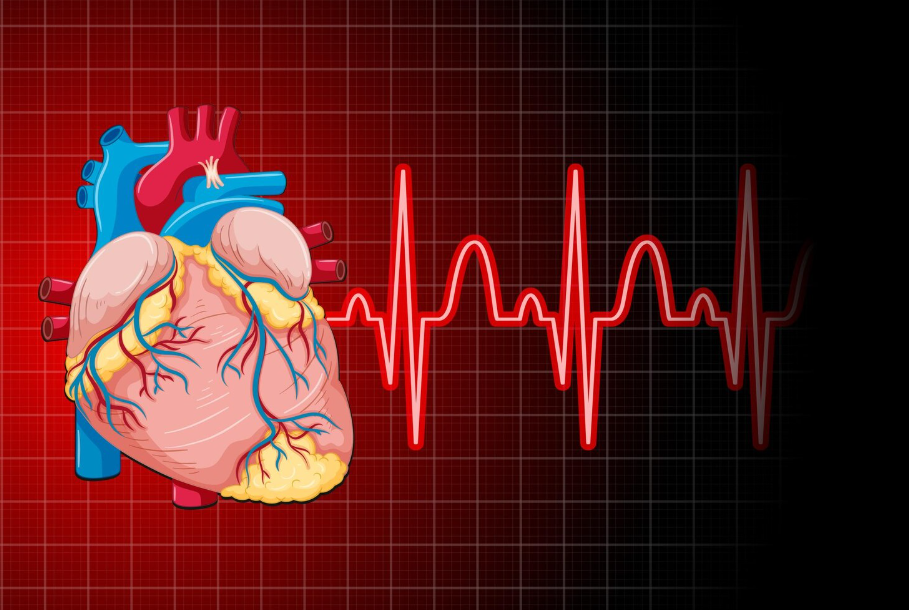
A loop recorder is a small device that tracks your heart’s rhythm by recording its electrical signals over time. Doctors place it just under the skin in the chest, where it quietly monitors your heartbeat day and night. It picks up the heart’s natural electrical impulses and stores the information for later review. It sounds simple, but it can catch details that shorter tests sometimes miss.
Doctors often suggest this device when symptoms appear randomly, such as fainting, skipped beats, or that strange flutter you cannot quite explain. A local electrophysiologist in Los Angeles may recommend one if routine ECGs or Holter monitors have not provided clear answers. The recorder sits there doing its job, waiting for an irregular rhythm to happen, even if it only shows up once in a while. For many people, that steady monitoring finally helps connect the dots and figure out what is really going on.
What Exactly Is a Loop Recorder?
Loop recorders function as implantable cardiac monitors that track your heart’s electrical patterns 24/7. The device sits just under your skin, about the size of a USB drive, constantly analyzing each heartbeat for irregularities.
The technology works through sophisticated algorithms that can tell the difference between your normal rhythm and potentially dangerous arrhythmias. When something unusual happens, the device automatically saves that data for your doctor to review later. It’s like having a security camera for your heart that only records when there’s suspicious activity.
Healthcare providers use these devices when standard heart tests like EKGs or Holter monitors haven’t caught the problem. Sometimes heart rhythm issues are just too sporadic to show up during short-term testing.
Different Types of Loop Recorders Available
Several loop recorder options exist to match different patient needs and monitoring requirements.
Insertable Loop Recorders: These get implanted under your skin for long-term monitoring, typically lasting 2-3 years. The battery life makes them perfect for catching infrequent episodes that might happen months apart.
External Loop Recorders: Wearable devices that attach around your waist or neck for shorter monitoring periods. They’re convenient when you need temporary monitoring without surgical implantation.
Implantable Cardiac Monitors: Advanced versions that offer extended monitoring capabilities with enhanced data storage and transmission features.
Smartphone-Compatible Recorders: Modern versions connect directly to mobile apps, allowing real-time data transmission to your healthcare team. Pretty neat how technology keeps making heart monitoring more accessible.
How Loop Recorders Actually Work
The mechanics behind loop recorders involve continuous electrical monitoring through strategically placed electrodes. These electrodes maintain contact with surrounding tissue to capture your heart’s electrical impulses throughout each cardiac cycle.
Data gets stored in a continuous loop format, typically covering several months of heart rhythm information. When an abnormal rhythm triggers the device’s detection algorithms, it automatically saves that specific episode for analysis.
Your doctor can access this stored information during follow-up appointments or through remote monitoring systems. The device essentially creates a detailed timeline of your heart’s behavior, helping identify patterns that might correlate with your symptoms.
Some newer models even allow patients to manually trigger recordings when they feel symptoms, creating a more complete picture of heart rhythm irregularities.
Key Benefits of Heart Loop Monitoring
Loop recorders excel at capturing those elusive heart rhythm problems that come and go unpredictably. Unlike short-term monitoring that might miss sporadic episodes, these devices provide continuous surveillance.
The technology helps diagnose conditions like atrial fibrillation, bradycardia, and various arrhythmias that could cause serious complications if left undetected. Your cardiologist gets access to months of heart rhythm data instead of just a few hours or days.
Treatment effectiveness monitoring becomes much more accurate with long-term data. If you’re taking heart rhythm medications, the device shows whether they’re actually working during your daily activities.
The correlation between symptoms and actual rhythm disturbances often reveals surprising insights. Sometimes what feels like a heart problem might be something else entirely, while other times serious rhythm issues happen without any noticeable symptoms.
The Implantation Process Explained
Loop recorder implantation happens as a minor outpatient procedure under local anesthesia. Your cardiologist creates a small incision to form a pocket beneath your chest skin where the device will rest.
The entire procedure typically takes 15-30 minutes, depending on the specific device type and your anatomy. Local anesthesia keeps you comfortable while remaining awake during the implantation.
After placing the device securely, the incision is closed with sutures or medical adhesive. Most patients experience minimal discomfort, though some bruising around the implantation site is normal for the first week.
Recovery involves keeping the area dry for a few days and avoiding heavy lifting temporarily. Your healthcare team will provide specific post-procedure instructions tailored to your situation.
Understanding Your Loop Recorder Data
Interpreting loop recorder information requires regular collaboration between you and your healthcare team. The device automatically transmits data to your doctor’s office through wireless technology or during clinic visits.
Healthcare providers look for specific rhythm patterns, frequency of irregular episodes, and correlations with your reported symptoms. This analysis helps determine whether treatment adjustments are needed.
Regular data reviews ensure any concerning rhythm changes are identified quickly. Your cardiologist might adjust medications, recommend lifestyle changes, or suggest other treatments based on the recorded information.
Patient-triggered recordings add another layer of useful information. When you feel symptoms and manually activate the device, it creates valuable data points that help your doctor understand your specific situation better.
The continuous monitoring capability of loop recorders makes them powerful diagnostic tools for anyone dealing with unexplained heart rhythm symptoms. Having months of detailed heart data helps your healthcare team make more informed treatment decisions.
Contact Us
At CEPI, we’re always here to assist you. Whether you have questions about our services, need to schedule an appointment, or would like to learn more about cardiac electrophysiology, our team is here to help.
Office Location: 8631 West 3rd Street #710E, Los Angeles, CA 90048
Phone: (310) 746-5335
Office Hours:
- Monday to Friday: 8:00 AM–5:00 PM
Get in touch today! Prefer to reach out online? Fill out our contact form, and a member of our team will get back to you promptly.
Related Topics: