

The Technology Behind How an Automated External Defibrillator Works
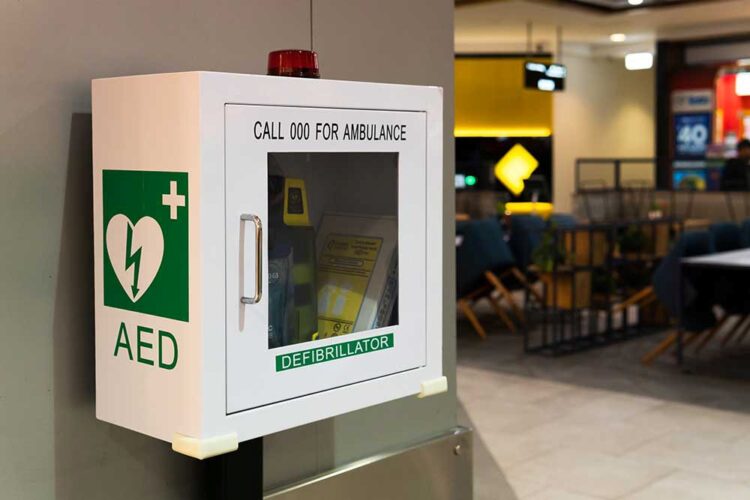
When someone’s heart stops beating properly, every second counts. That’s where automated external defibrillators (AEDs) come in these devices can literally mean the difference between life and death. If you’ve ever been curious about what happens inside that box on the wall, you’re in the right place. As Los Angeles’ premier electrophysiologist would tell you, understanding how these devices work helps us appreciate just how remarkable modern cardiac care has become. Let’s break down the technology that makes AEDs such powerful lifesaving tools.
Defibrillator Basics
AEDs work by sending an electric shock to the heart when it’s in a dangerous rhythm. This shock treats life-threatening problems like ventricular fibrillation and pulseless ventricular tachycardia, basically, when your heart is quivering or beating too fast to pump blood. The device has sensors that measure the heart’s electrical signals via electrode pads attached to the chest. When it detects a problem rhythm, the AED tells you to step back, then delivers a carefully measured jolt of electricity. This shock stops the chaotic electrical activity, giving the heart’s natural pacemaker (the sinoatrial node) a chance to take back control and get things beating normally again.
Electrode Placement and Analysis
Getting the electrode pads in the right spot matters a lot. Most AEDs come with two pads: one goes on the upper right chest above the nipple, and the other sits on the left side below the armpit. This setup gives the electrical current the best path through the heart. Once the pads are in place, the AED’s software kicks in and starts analyzing the heart’s rhythm. It can tell the difference between rhythms that need a shock (like ventricular fibrillation) and those that don’t (like asystole). This analysis determines whether shocking the heart will actually help.
Shock Delivery Mechanism
When the AED decides a shock is needed, here’s what happens:
- Charging: The device’s capacitor starts storing up energy for the shock.
- Analysis: It double-checks the heart rhythm to make sure a shock is still the right move.
- Shock Administration: If everything checks out, the AED sends a precise electrical pulse through the electrode pads to reset the heart’s electrical system and hopefully get it beating normally again.
This whole process needs to happen quickly and accurately to give the person the best chance of survival.
Automated Detection Algorithms
The brains of an AED are its detection algorithms, basically, smart software that reads heart rhythms. These algorithms analyze electrocardiogram (ECG) signals from the pads to determine what’s happening. They can spot the difference between rhythms that respond to shocks and those that don’t. Using pattern recognition and quick calculations, the algorithms assess what they’re seeing and decide if a shock is needed. This automated decision-making is what makes AEDs work so well, they can make the right call in seconds during a cardiac emergency.
Energy Levels and Adjustment
AEDs don’t just blast the heart with electricity and hope for the best. They adjust the shock strength based on what they detect:
- Detection of Heart Rhythm: Sensors continuously monitor the patient’s heart.
- Identification of Shockable Rhythms: The algorithms analyze the rhythm to see if a shock will help.
- Energy Adjustment: The AED automatically picks the right energy level, not too weak to work, not too strong to cause damage.
This careful calibration means each patient gets exactly what they need.
Self-Testing and Maintenance
AEDs run regular self-checks to ensure everything’s working properly. These tests assess battery life, electrode pad connections, and overall system health. The device checks that its software is up to date and that nothing’s broken inside. If something’s wrong, the AED triggers alerts so someone can fix it before an emergency happens. These automatic self-tests keep the device ready to go when someone needs it, which is pretty important when seconds matter. This hands-off approach to upkeep means you can trust the AED will work when it really counts.
Related Topics:
