

Understanding How to Use Zoll Defibrillator
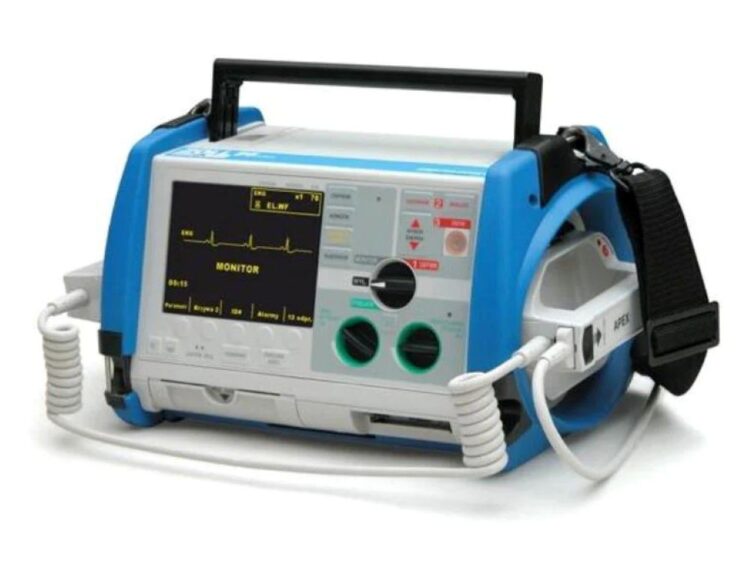
Using a Zoll defibrillator correctly can mean the difference between life and death in a cardiac emergency. Before you start, check the device for any damage and make sure the pads haven’t expired. You’ll need to place the electrodes on clean, dry skin following the diagrams on the pads. If you’re not trained in using defibrillators, consider getting certified or ask your local electrophysiologist about proper training. This guide walks you through each step so you can respond confidently when seconds count.
Zoll Defibrillator Overview
The Zoll Defibrillator is a medical device designed to help restart the heart during cardiac emergencies. It has a simple interface that walks you through the process step by step. One standout feature is Real CPR Help technology, which provides instant feedback on the quality of your chest compressions during CPR. The device works for adults, children, and infants with different settings for each. It’s built to be portable and tough enough for use in hospitals and public spaces like gyms and airports.
Preparing the Defibrillator
Before you need the defibrillator, make sure it’s plugged in or that its batteries are fully charged. Look over the device for any cracks, damage, or loose parts. Check that the electrode pads are sealed in their package and haven’t passed their expiration date. Get familiar with the buttons and how to turn them on. Keep the defibrillator somewhere easy to reach so you can grab it fast in an emergency.
Applying Electrodes Correctly
Where you place the electrodes matters for the shock to work properly. Here’s what you need to do:
- Prepare the skin: Ensure the chest is dry and clean so the electrodes adhere well.
- Correct placement: Follow the diagrams on the pads, usually, one goes on the upper right chest and one on the lower left side.
- Firm attachment: Press down firmly so the electrodes make good contact with the skin.
- Avoid interference: Keep them away from medication patches, pacemakers, or jewelry.
Understanding Defibrillator Prompts
The Zoll defibrillator talks you through everything with on-screen messages and voice instructions. It’ll tell you exactly where to put the electrodes, when to step back for heart rhythm analysis, and when to press the shock button if needed. Listen carefully to both the screen and voice prompts, which guide you through CPR and defibrillation in real time. Practice with the device when there’s no emergency so you’ll know what to expect. That way, if you ever face a real situation, you won’t freeze up.
Delivering a Shock Safely
Keeping everyone safe while giving a shock is your top priority. Here’s how to do it right:
- Confirm Proper Placement: Double-check that the pads are stuck firmly to the patient’s bare chest.
- Clear Communication: Shout “Clear!” loudly before hitting the shock button so no one’s touching the patient.
- Check Settings: Make sure the energy level is appropriate for the patient’s age and size.
- Follow Prompt Instructions: Do exactly what the device tells you it’s programmed to guide you safely through the process.
Post-Defibrillation Care
After you deliver the shock, your job isn’t over. Check the patient’s pulse and breathing right away. Watch the heart monitor to see if the rhythm returns to normal or if another shock is needed. Keep the airway open and give oxygen if available. Stay alert for signs of problems such as abnormal heart rhythms or breathing difficulties. Be ready to continue CPR or give more shocks if the defibrillator tells you to. Keep monitoring the patient until professional medical help arrives and takes over.
Related Topics: