

Understanding How a Loop Recorder Works
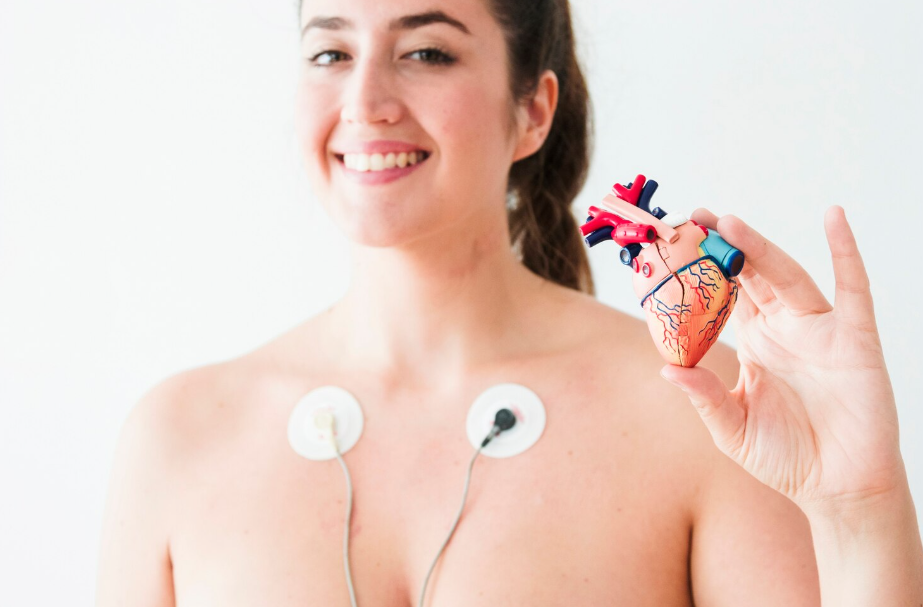
So, a loop recorder is basically a tiny gadget that sits just under your skin on the left side of your chest. It quietly keeps an eye on your heart’s electrical activity, even when you’re just sitting there watching TV or, I don’t know, scrolling on your phone. Doctors call in a loop recorder electrophysiologist sometimes to explain exactly what it’s picking up because it records even the little things that might happen once in a while.
Honestly, it’s kind of amazing how it works. It keeps all the data in order, like a little diary of your heartbeats, and it can even send the info to your doctor without you doing anything. You might forget it’s even there most of the time, except for maybe when you think about it for a second.
Implantation Process
Getting it in is simpler than it sounds. They make a tiny cut, just enough to slip it under your skin. Local anesthesia keeps you comfortable; you won’t feel much, maybe just a bit of pressure.
Then they close it up with dissolvable stitches or tape, and you’re pretty much done. You’ll need to avoid heavy lifting for a few days. Nothing too crazy, just enough so it heals properly. And, you know, following the doctor’s instructions actually matters here.
Continuous Heart Monitoring
Once it’s in, it just starts working, quietly logging your heart activity all day, every day. That’s super helpful because some irregular heartbeats only happen once in a while, like maybe once a week or month, so normal tests could totally miss them.
The device notices those irregularities and stores the info. Later, your doctor can review it, examine the trends, and see what’s really going on with your heart. Sometimes it’s stuff you don’t even notice, a skipped beat here, a flutter there, but it all matters.
Data Storage and Retrieval
All the recordings are stored neatly and tidily on the device. It organizes the data so your doctor can easily go back and check specific times.
And getting that info isn’t a hassle. Specialized software lets the doctor pull up what they need quickly, which is kind of convenient. The device can hold a lot of data, so nothing gets lost over time.
Detection of Irregular Heart Rhythms
The recorder is smart enough to flag irregular rhythms automatically. It doesn’t just wait for you to feel something weird; it notices the electrical activity itself.
When it detects something, it records the event, including the moments right before and after. This way, your doctor has a complete picture, which is much better than just guessing based on your symptoms.
Remote Transmission Capabilities
Oh, and one cool thing is that it can send data to your doctor remotely. So if something unusual pops up, they might see it pretty fast without you having to go in immediately.
The data is encrypted, so your info stays private, and it can sync with your medical records. It makes life easier.
Diagnostic Insights and Treatment Plans
All the info it collects is used to figure out what’s going on with your heart. The doctor can see whether the irregularities are serious, what kind they are, and whether treatment needs to be adjusted.
This can mean changing medications, thinking about procedures, or even suggesting a pacemaker. The point is that the loop recorder gives a real, detailed view instead of just random snapshots. You get a treatment plan that’s actually tailored to your heart, which is kind of comforting.
Related Topics: