

What Is the Heart’s Natural Pacemaker, and How Does It Work?
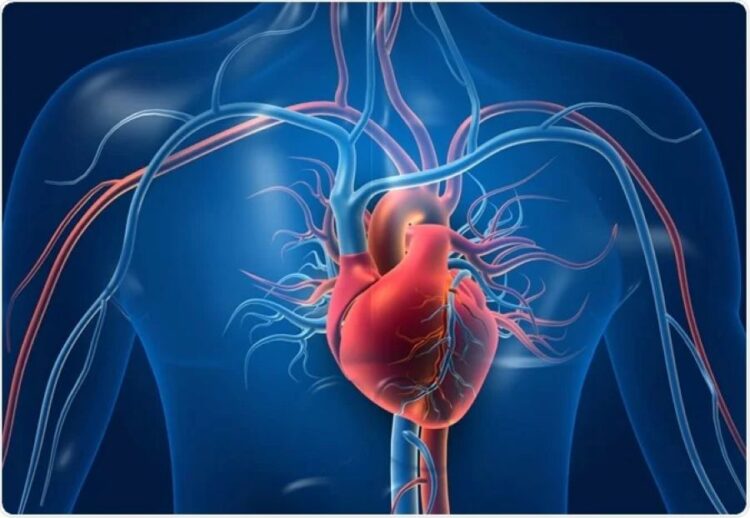
Your heart has its own built-in electrical system that keeps it beating in rhythm. The sinoatrial node, often called the heart’s natural pacemaker, controls this process by sending electrical signals that tell your heart muscles when to contract. When this system fails, doctors may recommend a quality leadless pacemaker to restore normal heart function. This post covers how the sinoatrial node works, what affects its activity, and what happens when things go wrong. Understanding your heart’s electrical system helps you make sense of common cardiac conditions and treatments.
The Anatomy of the Pacemaker
The sinoatrial node sits in the right atrium, close to where the superior vena cava enters the heart. This small cluster of specialized cells kicks off each heartbeat by generating an electrical impulse. That impulse spreads through the atria, making them contract and push blood into the ventricles. The sinoatrial node acts like an internal clock, adjusting your heart rate in response to what your body needs at any given moment. The pacemaker cells have a unique ability to generate electrical signals on their own, independent of external input. This system keeps your heart contractions coordinated so blood continues to flow efficiently through your body.
Electrical Signaling in the Heart
Your heart’s electrical signaling system controls the synchronized contractions needed for good blood circulation. The whole process starts in the sinoatrial (SA) node, where electrical impulses are generated and then travel through specific pathways in the heart muscle. As these signals spread, they make the atria contract and force blood into the ventricles. The signals then hit the atrioventricular (AV) node, where they pause briefly so the ventricles can fill up completely before they contract. From there, the impulses move through the bundle of His and Purkinje fibers, triggering a coordinated squeeze of the ventricles that pushes blood out of the heart and into your body.
Role of the Sinoatrial Node
The SA node, located in the right atrium, fires off electrical signals that serve as the starting point for each heartbeat. These signals spread through specialized cells in the heart, causing the atria to contract and move blood into the ventricles. This function sets the pace for the entire heart, which is why the SA node is called the natural pacemaker. It keeps the heart beating in a regular, coordinated pattern. The SA node plays a major role in maintaining cardiac function and overall heart health. Getting a handle on how the SA node works makes it easier to understand the heart’s efficient but complex design.
Pacemaker Function in Heart Rate Control
The pacemaker function manages heart rate by controlling the rhythmic electrical signals that drive your heart muscle contractions. The SA node in the right atrium acts as the natural pacemaker, initiating each heartbeat with an electrical impulse that spreads through the atria, causing them to contract. This impulse then reaches the AV node, where it is briefly held up so the ventricles have time to fill with blood. After that, the signal travels down the bundle of His, through the Purkinje fibers, and finally reaches the ventricular muscle to trigger contraction. The precise timing of these electrical events keeps your heart rhythm efficient and coordinated.
Factors Affecting Pacemaker Activity
Several factors can change how the SA node operates and affect your heart rhythm. These include input from the autonomic nervous system, electrolyte levels such as potassium and calcium, body temperature, and hormones such as adrenaline. The autonomic nervous system has two branches, the sympathetic and parasympathetic, that either speed up or slow down the SA node’s firing rate. Electrolyte imbalances, especially potassium and calcium, can disrupt the heart’s electrical signals and affect pacemaker function. Body temperature changes also affect the SA node; lower temperatures slow the heart rate, while higher temperatures speed it up. Adrenaline can stimulate the SA node, causing a temporary spike in heart rate.
Clinical Implications and Treatments
When the SA node stops functioning properly, conditions such as bradycardia (slow heart rate) or tachycardia (fast heart rate) can develop. Symptoms might include dizziness, fatigue, heart palpitations, or fainting. Treatment depends on the severity of the condition. For bradycardia, doctors may implant a pacemaker to regulate the heart rate. For tachycardia, medications such as beta-blockers or calcium channel blockers can help control the heart rate. In more serious cases, radiofrequency ablation or surgery may be needed to correct severe disturbances in the heart’s natural pacemaker. Regular monitoring and checkups with a healthcare provider are key to managing these conditions.
Related Topics: