

What Affects Pacemaker Battery Life, and How Long Do They Last?
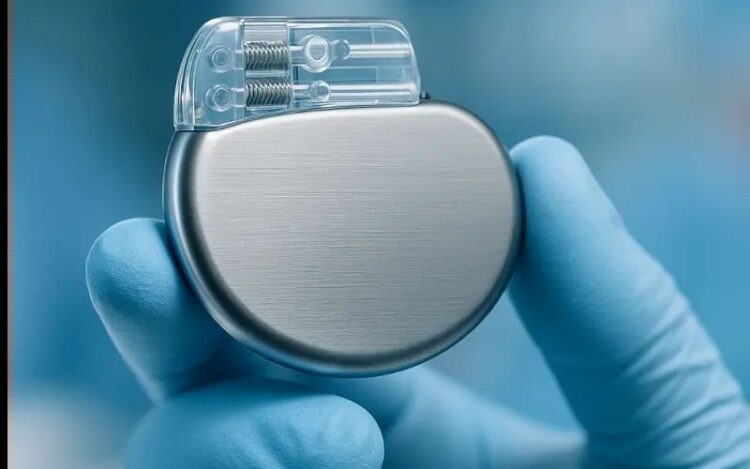
Pacemaker batteries don’t last forever, and several factors determine how long yours will keep working. Understanding what drains battery power can help you and your care team plan for eventual replacement. A top electrophysiologist in Los Angeles can walk you through how your specific device and lifestyle affect battery longevity. This post covers battery composition, heart rate impact, device features, external factors, and what to expect when it’s time for a replacement. Knowing these details helps you stay informed about your cardiac care.
Pacemaker Battery Composition
Pacemaker batteries use a combination of lithium and carbon monofluoride to deliver reliable power for cardiac rhythm management. Lithium works well because it has a high energy density and a long life, both of which are necessary to meet the constant power demands of a pacemaker. Carbon monofluoride serves as the cathode material, ensuring efficient energy transfer during the chemical reactions that power the device. This pairing provides a stable voltage output over an extended period, keeping the pacemaker running consistently. The balance between these materials is critical when designing batteries that meet the demanding performance standards of cardiac devices.
Impact of Heart Rate on Battery
Heart rate changes directly affect how long your pacemaker battery lasts. When your heart rate goes up, the pacemaker has to work harder to maintain proper pacing, which drains the battery faster. Lower heart rates put less demand on the device, helping the battery last longer. Ongoing high heart rates or sudden spikes can speed up battery depletion and shorten the device’s overall lifespan. Healthcare providers monitor heart rate patterns and adjust pacemaker settings to maximize battery life. Understanding this connection between heart rate and battery performance helps manage device longevity for patients with heart rhythm issues.
Device Features and Battery Drain
Specific device features play a big role in how fast a pacemaker battery drains. The pacing mode matters; dual-chamber pacing uses more power than single-chamber pacing because the device has to do more work. Advanced features like remote monitoring and MRI compatibility also increase energy consumption, which can shorten the battery’s overall lifespan. When choosing a pacemaker, it’s worth considering how these features affect battery longevity. Balancing the benefits of advanced features against battery life helps ensure the device performs well over time.
External Factors and Battery Life
Environmental conditions and patient habits can significantly impact pacemaker battery life. High temperatures speed up battery depletion and shorten the device’s lifespan. Extreme cold also affects performance by reducing voltage output. Patient behaviors matter as well; exceeding recommended physical activity limits can cause the pacemaker to consume more energy, reducing battery longevity. Exposure to strong electromagnetic fields from certain medical devices or industrial equipment can interfere with pacemaker function and accelerate battery drain. Recognizing and managing these external factors helps maximize the lifespan of your pacemaker battery.
Monitoring and Replacing Batteries
Regular monitoring of pacemaker batteries helps assess remaining capacity and figure out when replacement is needed. Monitoring tracks battery voltage, impedance, and programmed longevity. Remote monitoring enables continuous assessment of battery status, making it easier to plan replacements. When battery levels approach the elective replacement indicator (ERI), typically around 3.1 to 2.6 volts, depending on the device, clinicians schedule a replacement procedure before the battery runs out completely. Completing the replacement on time prevents device issues and keeps patient care on track. Advanced algorithms and diagnostic tools make battery monitoring more precise, reducing the risk of unexpected device failure.
Average Pacemaker Battery Lifespan
Modern pacemaker batteries typically last between 5 and 15 years. The actual lifespan depends on several factors: device type, settings, the patient’s heart rate, and energy consumption from extra features such as wireless communication. Research shows that higher pacing rates and more frequent device communication can drain the battery faster. Battery technology has improved over the years, extending the lifespan of these devices. Healthcare providers use this information to schedule timely replacements, prevent unexpected device failures, and ensure patients with implanted pacemakers receive uninterrupted cardiac support.
Related Topics: