

What Is a Biphasic Defibrillator: A Complete Guide for Beginners
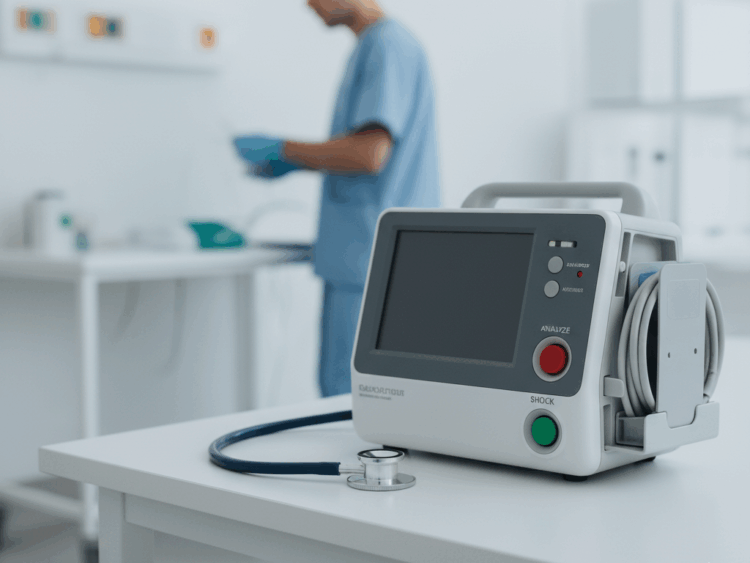 Understanding biphasic defibrillator technology helps medical professionals save more lives during cardiac emergencies. These devices deliver electrical energy in two distinct phases to restart a normal heart rhythm. An expert electrophysiologist can explain how this two-phase approach works better than older single-phase models. The devices have become standard equipment in hospitals, ambulances, and emergency response teams worldwide. This guide covers everything beginners need to know about how these life-saving machines work.
Understanding Biphasic Defibrillators
Biphasic defibrillator units work differently from older monophasic models by using two energy phases instead of one. The first phase sends electrical current in one direction through the heart muscle. The second phase immediately follows, sending current in the opposite direction. This two-phase method transfers energy more effectively to restore normal heart rhythm. The design also reduces skin burns and heart muscle damage compared to single-phase devices.
How Biphasic Defibrillators Work
These machines use a special waveform that delivers energy in two carefully timed phases. The first phase applies a controlled shock that temporarily stops abnormal heart activity. This initial shock prepares the heart muscle for the second phase. The second phase delivers another controlled shock that helps reset the heart’s natural electrical system. This process gives the heart the best chance to return to a normal, life-sustaining rhythm.
Benefits of Biphasic Technology
Biphasic devices offer several key improvements over older defibrillator models. They need less energy to successfully restart the heart rhythm, which causes less damage to the heart tissue. Lower energy requirements also mean longer battery life for portable units. These devices show higher success rates on the first shock attempt, improving patient survival chances. The technology enables doctors to tailor energy levels to each patient’s unique needs and body size.
Choosing the Right Biphasic Device
Selecting the proper biphasic defibrillator requires evaluating several important features. Consider these key factors when making your choice:
- Energy Levels: Look for devices offering multiple energy settings for different patient types.
- EKG Monitoring: Choose models with built-in heart rhythm monitoring for better patient assessment.
- Battery Life: Opt for units with long-lasting batteries for extended emergency use.
- Portability: Consider size and weight for easy transport in various emergency settings.
Evaluating these features helps you pick the best device for your emergency response needs.
Using a Biphasic Defibrillator Safely
Safe operation requires following proper procedures before, during, and after each use. Always verify that the device functions correctly and that the electrode pads are positioned properly. Ensure that everyone stays clear of the patient before administering any shock. Choose the right energy level based on the patient’s age and medical condition. After shocking, immediately check the patient’s heart rhythm and start CPR if needed. Regular maintenance and battery checks ensure the device is always ready for emergencies.
Training and Certification Requirements
Proper training protects both patients and operators during emergencies. Medical professionals need specific certifications before operating these devices. Required training typically includes:
- Basic Life Support (BLS) certification
- Advanced Cardiovascular Life Support (ACLS) certification
- Hands-on biphasic defibrillator operation training
- Regular refresher courses to maintain current skills
Meeting these training requirements builds confidence and competence while improving patient outcomes during critical emergencies.
Related Posts: