How Sleep Apnea Affects Heart Rhythm and When Los Angeles Patients Should Seek Evaluation
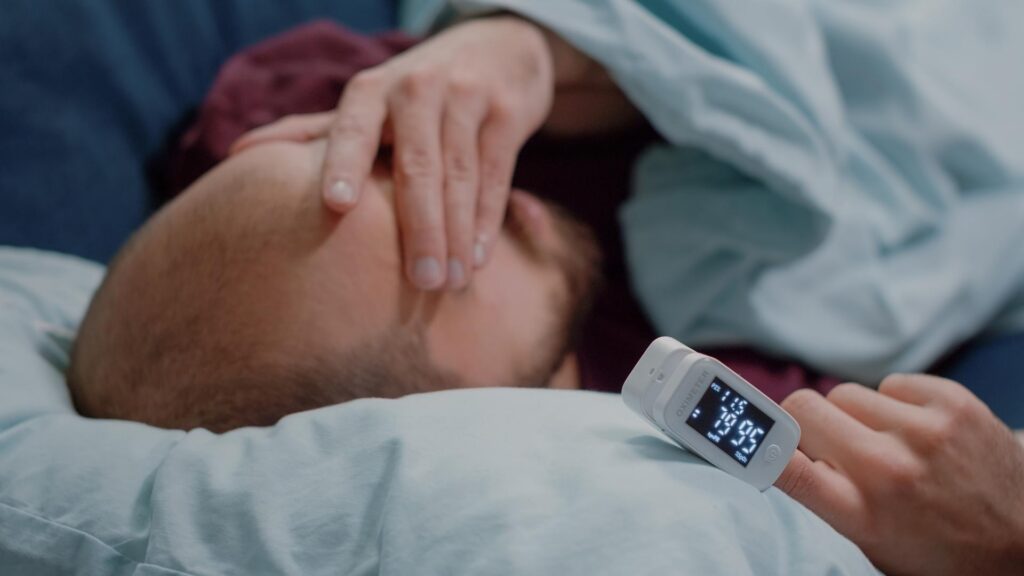
Sleep apnea and heart rhythm problems often show up together, and the connection between them is stronger than many patients realize. Specialized heart rhythm care often starts with looking beyond the rhythm itself and asking what may be putting repeated strain on the heart during sleep. For many people in Los Angeles, sleep apnea goes untreated for years while fatigue, snoring, and nighttime rhythm changes slowly build into a larger problem. Understanding that link can help patients seek the right evaluation sooner.
What Happens to the Heart During an Apnea Episode
Obstructive sleep apnea happens when the airway narrows or closes during sleep, causing breathing to stop for short periods. These pauses may last only a few seconds, but they can occur many times throughout the night. Each episode lowers oxygen levels, forcing the body to react. The result is a repeated cycle of stress while the person is supposed to be resting.
When breathing stops, the body responds with a surge of stress hormones. Heart rate can shift suddenly, blood pressure can rise, and the chest experiences pressure changes that affect the heart’s workload. Over time, that repeated strain can make the heart more vulnerable to rhythm disturbances. What looks like a sleep problem on the surface can turn out to be a heart rhythm problem underneath.
Which Heart Rhythm Disorders Are Linked to Sleep Apnea
Atrial fibrillation is the rhythm disorder most often linked to sleep apnea. Patients with untreated sleep apnea are more likely to develop AFib, and patients who already have AFib may have a harder time controlling it if the sleep apnea is still active. The same nighttime stress that affects oxygen and blood pressure can also affect the electrical system of the heart. That is one reason the two conditions often appear together.
Sleep apnea may also be linked to other rhythm issues. Some patients have periods during sleep when the heart slows too much, followed by a rebound response when breathing resumes. Others may develop extra beats or more serious rhythm changes, especially if they already have underlying heart disease. Because many of these changes occur at night, they can be easy to miss unless the evaluation is carefully planned.
Why Sleep Apnea Makes AFib Harder to Treat
Treating AFib without dealing with sleep apnea can leave part of the problem untouched. A patient may take medication or undergo ablation, but the body continues to experience repeated oxygen drops and stress responses during sleep. Those same forces can keep irritating the heart and make AFib more likely to return. That is why some patients continue to struggle even after treatment that looked appropriate on paper.
This matters when planning rhythm care. If sleep apnea is part of the picture, it should be identified and managed alongside the AFib instead of later. Patients who treat sleep apnea often give their hearts a better chance to stay in rhythm. Looking at both conditions together usually leads to a stronger long-term plan.
Signs That Sleep Apnea May Be Affecting Your Heart
Many people know the more familiar signs of sleep apnea, such as loud snoring, waking up tired, or being told they stop breathing during sleep. The connection to heart symptoms is often less obvious. Some patients notice palpitations at night or a racing heartbeat when they wake up. Others feel short of breath without a clear reason or stay unusually tired throughout the day.
These symptoms do not always mean a rhythm disorder is present, but they are worth paying attention to. A person with AFib who also snores heavily or seems exhausted every morning may need more than a rhythm check alone. The pattern matters. When poor sleep and heart symptoms co-occur, both warrant closer examination.
When Los Angeles Patients Should See a Heart Rhythm Specialist
Not every person with sleep apnea needs an electrophysiology visit. Many patients are first managed by a primary care doctor or sleep specialist. A heart rhythm evaluation becomes more important when an arrhythmia has already been identified, symptoms persist, or treatment has not been effective as expected. That is especially true if the rhythm problem seems worse at night or early in the morning.
Patients should also consider evaluation when palpitations are detected on a monitor or wearable device, or when procedures such as ablation are being discussed without a clear picture of the sleep side. In these cases, it helps to look at the full pattern rather than treat each issue in isolation. A better answer often comes from seeing how sleep apnea and rhythm disturbances affect each other.
What a Cardiac Evaluation Covers
When we evaluate a possible link between sleep apnea and heart rhythm symptoms, the first step is a careful review of the patient’s history. That includes prior heart testing, symptoms, medications, and any previously captured rhythm findings. An in-office EKG is usually part of the visit. From there, the question becomes how often the symptoms happen and what kind of monitoring is most likely to catch them.
Some patients only need a short monitor for one or two days. Others may need a longer patch monitor or, in some cases, an implantable loop recorder for extended tracking. The right test depends on how often the symptoms occur and whether earlier testing has already been done. If you are in Los Angeles and have sleep apnea along with unexplained palpitations, AFib, or other rhythm symptoms, contact our office to schedule an evaluation.
Related Topics: