

How to Use a Defibrillator: Essential Instructions
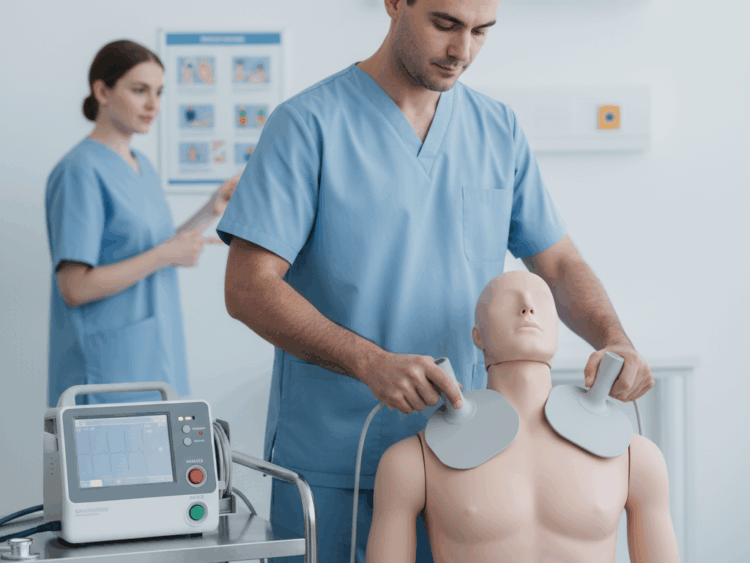 Learning how to use a defibrillator can save someone’s life during a cardiac emergency. This medical device delivers controlled electric shocks to restore normal heart rhythm. The process involves checking the person’s condition, placing electrode pads correctly, and following device prompts. This guide covers the key steps from initial assessment through post-shock care. A leading electrophysiologist in LA will tell you these skills are vital for emergency response.
Defibrillator Basics
Understanding how to use a defibrillator starts with knowing how the device works. The machine checks the heart’s electrical activity and determines if a shock is needed. It delivers controlled electricity to reset irregular heartbeats back to a normal rhythm. Modern units have clear voice instructions and picture guides that walk you through each step. The device won’t shock unless it detects a dangerous heart rhythm that requires treatment.
Assessing the Situation
Start by checking if the person responds to your voice or touch. Tap their shoulders firmly and shout to see if they wake up. Look at their chest to see if they’re breathing normally. If they don’t respond and aren’t breathing properly, begin CPR right away. A quick assessment helps you decide the next steps and can mean the difference between life and death.
Applying the Pads
Remove all clothing from the person’s chest to expose bare skin. Remove the electrode pads and carefully peel off the protective backing, taking care not to touch the sticky gel. Place one pad on the upper right chest below the collarbone. Put the second pad on the lower left side below the armpit. Press the pads down firmly so they stick well with no air bubbles underneath.
Analyzing the Heart Rhythm
The defibrillator automatically detects the person’s heart rhythm to determine if a shock is needed. Some rhythms, such as ventricular fibrillation, require immediate defibrillation to correct the problem. Other rhythms don’t require shocks; instead, they require different treatments. The machine makes this decision for you based on what it detects. Trust the device’s analysis, as it’s designed to recognize potentially dangerous heart patterns.
Delivering the Shock
When the defibrillator indicates that a shock is needed, ensure that no one is touching the patient. Announce “clear” loudly so everyone steps back from the person. Press the shock button only when the machine indicates that it is safe to do so. The person’s body may jerk when the shock happens, but this is normal. Stay calm and keep following the device’s spoken instructions throughout the process.
Post-Defibrillation Care
After giving the shock, watch the person closely for signs of improvement. Check if they start breathing normally or if they regain consciousness. Continue CPR if the person still isn’t responsive or breathing well. Please continue to monitor their condition while waiting for medical assistance to arrive. Be ready to give more shocks if the defibrillator tells you another one is needed.
The defibrillator will guide you through additional steps and instruct you on the next steps to take. Stay with the person and continue providing care until paramedics arrive. Remember that using a defibrillator quickly can double or triple someone’s chances of surviving cardiac arrest.
Related Posts:
