

Can Electrophysiologists Perform Cardiac Resynchronization Therapy in LA?

Patients who hear the term “cardiac resynchronization therapy” for the first time are usually trying to figure out two things at once: what the treatment does and who is actually qualified to perform it.
The short answer to the second question is yes. Electrophysiologists perform cardiac resynchronization therapy, and it is one of the more established tools for a specific type of heart failure.
This piece breaks down what CRT is, why it falls squarely within an electrophysiologist’s training rather than a general cardiologist’s, and what patients in Los Angeles can expect from the process.
If CRT becomes part of your care, working with a trusted electrophysiology care provider means you are starting from a solid foundation, one built around the right tools and the right specialist from the beginning.
What Cardiac Resynchronization Therapy Actually Is
Cardiac resynchronization therapy, usually shortened to CRT, uses a specialized implanted device to help the heart’s chambers contract more in coordination.
In some forms of heart failure, the electrical signal that tells the heart’s lower chambers to contract arrives at slightly different times on each side, which makes the pump less efficient even when the muscle itself still has strength.
Small leads placed in more than one location within the heart let the device send coordinated signals that bring both sides back into better timing with each other. For patients whose heart failure includes this kind of timing problem, the goal is to improve how efficiently the heart pumps blood, which can ease symptoms like fatigue and breathlessness.
Why An Electrophysiologist Is The Specialist Who Performs It
CRT sits at the intersection of heart failure and the heart’s electrical system, which is exactly the territory an electrophysiologist trains in. Placing and programming a CRT device requires the same skill set used for pacemakers and defibrillators, since all three device types involve leads placed inside the heart and a deep understanding of how the heart’s electrical signals travel.
A general cardiologist often first identifies that a patient’s heart failure has a timing component worth addressing. The implant itself, along with ongoing programming and adjustment, is electrophysiology work, which is why heart failure patients being considered for CRT are typically referred to, or can directly see, an electrophysiologist for this part of their care.
When it comes to cardiologists vs. electrophysiologists, the distinction comes down to scope: a cardiologist manages the broader picture of heart health, while an electrophysiologist focuses specifically on the heart’s electrical system and the devices used to correct it.
Who Is Typically Considered For CRT
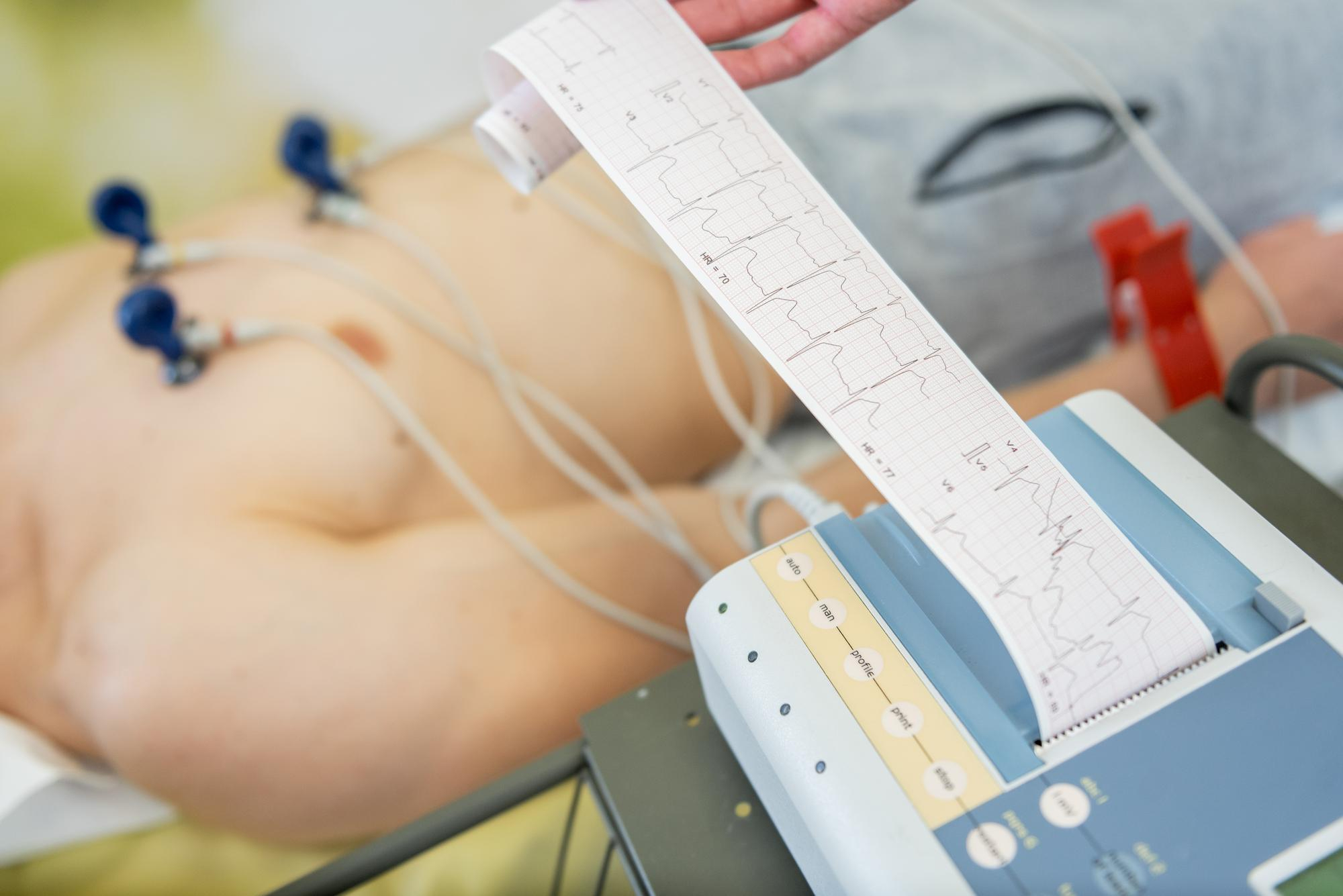
CRT is generally considered for heart failure patients whose heart muscle has reduced pumping strength and whose electrocardiogram (ECG) shows a specific pattern of delayed electrical conduction between the heart’s chambers.
Not every heart failure patient has this pattern, so CRT is not offered broadly. It goes to a specific subset of patients whose testing supports it, usually after they are already on medication for heart failure and device therapy is being considered because medication alone has not fully addressed the timing problem.
Age alone does not determine whether a patient is eligible. What matters more is the specific pattern shown in testing and how the patient is responding to the treatment already in place.
What the CRT Evaluation and Implant Process Involves
Before recommending CRT, we review the following:
- Echocardiogram showing the heart’s pumping function
- ECG showing the timing of the heart’s electrical signals
- Blood work and a discussion of current symptoms
This combination clarifies whether a patient’s specific pattern of heart failure is the type that tends to respond well to resynchronization before a final recommendation is made.
The implant procedure itself is similar in structure to a pacemaker implant:
- Leads are placed through a vein into more than one chamber of the heart and connected to a small device positioned under the skin near the collarbone.
- It is typically done using sedation rather than general anesthesia.
- Most patients go home within a day or so afterward.
- A short period of limited activity around the incision site usually follows.
What Patients Can Expect After a CRT Device Is Placed
After implantation, the device is programmed based on each patient’s specific heart rhythm and conduction pattern, and the care team often adjusts that programming over the following weeks as it reviews how the heart responds. Some patients notice improvement in their symptoms fairly quickly, while others see the benefit build more gradually over weeks or months.
Regular follow-up visits track the device’s function, battery status, and any changes in the heart’s rhythm over time. Medication for heart failure typically continues alongside the device, since CRT addresses the timing problem specifically and works alongside, rather than in place of, medical therapy.
Finding An Electrophysiologist For CRT In Los Angeles
A specialist whose entire practice is built around the heart’s electrical system, rather than one small part of a broader cardiology caseload, is worth seeking for this kind of decision. At Cardiac Electrophysiology Institute, we evaluate, implant, and manage CRT devices as part of our regular work with heart failure patients whose condition includes this kind of timing problem.
If your cardiologist has mentioned CRT, or if your heart failure symptoms have not improved as expected with medication, that specific conversation with an electrophysiologist is worth having. Understanding whether your heart failure has the pattern CRT is designed to treat is the first step toward knowing whether it is the right option for you.
Related Topics: