

Understanding How a Leadless Pacemaker Is Implanted
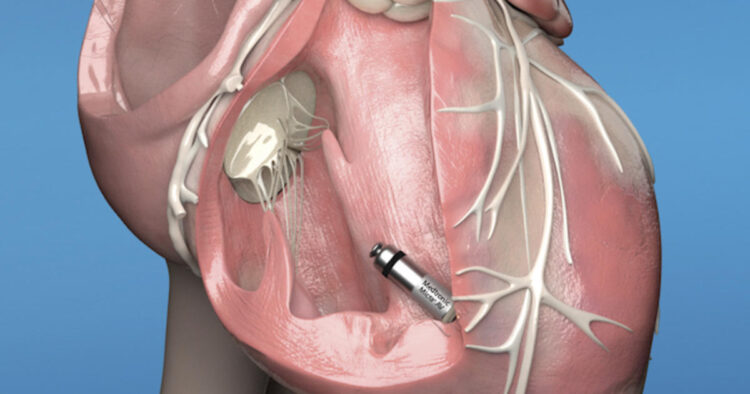
Getting a leadless pacemaker involves several careful steps that your medical team follows. A leadless pacemaker specialist performs thorough assessments to confirm you’re ready for the procedure. The process uses local anesthesia and sedation to keep you comfortable throughout. Doctors use imaging technology to guide the device into the correct position in your heart. This guide walks you through each stage of the implantation process so you know what to expect.
Preparing for the Procedure
Your doctor reviews your complete medical history before scheduling the implantation. They’ll check your current medications and any existing conditions that might affect the procedure. Imaging studies like echocardiograms show your heart’s structure and help doctors plan the best placement. Lab tests check your kidney function, electrolyte levels, and blood clotting ability to reduce potential risks. Your electrophysiologist, cardiologist, and anesthesiologist work together to create a care plan tailored specifically to your needs.
Anesthesia and Incision Site
You’ll receive local anesthesia to numb the area where the pacemaker goes in. The medical team may also give you conscious sedation to help you stay relaxed during the procedure. The incision site is typically near your collarbone in the chest area. Doctors choose this location carefully to give them the best access to your heart. Strategic placement reduces infection risk and helps position the pacemaker correctly based on your unique anatomy.
Guiding the Delivery System
The doctor uses a guiding catheter to navigate the delivery system through your blood vessels. This catheter acts as a pathway to deliver the leadless pacemaker to the target area in your heart. Fluoroscopy provides real-time X-ray images that help the doctor see the catheter’s movement. The physician gently steers the catheter through your heart’s pathways to reach the implantation site. Precision and expertise in catheter manipulation are critical for successful placement.
Securing the Leadless Pacemaker
The leadless pacemaker uses a specialized anchoring mechanism to stay in place within your heart tissue. This anchoring system provides stability and proper positioning inside the heart chambers. The process includes:
- Microscopic Screws: Tiny screws on the pacemaker body anchor it securely in your heart muscle.
- Flexible Tines: Flexible tines extend from the pacemaker and attach to your heart tissue for stabilization.
- Tissue Integration: Over time, your heart tissue grows around the pacemaker, securing it in place and promoting long-term stability.
These elements work together to keep the pacemaker positioned correctly so it can regulate your heart’s rhythm effectively.
Verifying Placement and Function
After anchoring the pacemaker, doctors confirm it’s in the exact right position. They use fluoroscopy, echocardiography, or other imaging to verify the device location. The team then tests the pacemaker’s functionality by checking sensing and pacing thresholds. Sensing tests show whether the device accurately detects your heart’s signals. Pacing threshold tests measure the minimum energy needed to stimulate your heart. Doctors also measure lead impedance to confirm proper electrical contact. These evaluations make sure your leadless pacemaker is optimally positioned and working correctly.
Post-Implant Care and Recovery
Your medical team creates a comprehensive care plan to monitor your recovery and address any complications. Post-implant care includes:
- Regular Follow-Up Visits: Scheduled appointments let your doctor assess device function, wound healing, and your overall well-being.
- Remote Monitoring: Advanced technology tracks your pacemaker’s performance and detects irregularities from a distance.
- Activity Guidelines: Detailed instructions on physical activities help promote optimal healing and pacemaker functionality.
These careful post-implant measures support a smooth recovery and improve your quality of life after receiving your leadless pacemaker.
Related Topics: